When Probability Becomes Visible: How Visualization Shapes Our Understanding of the Lottery

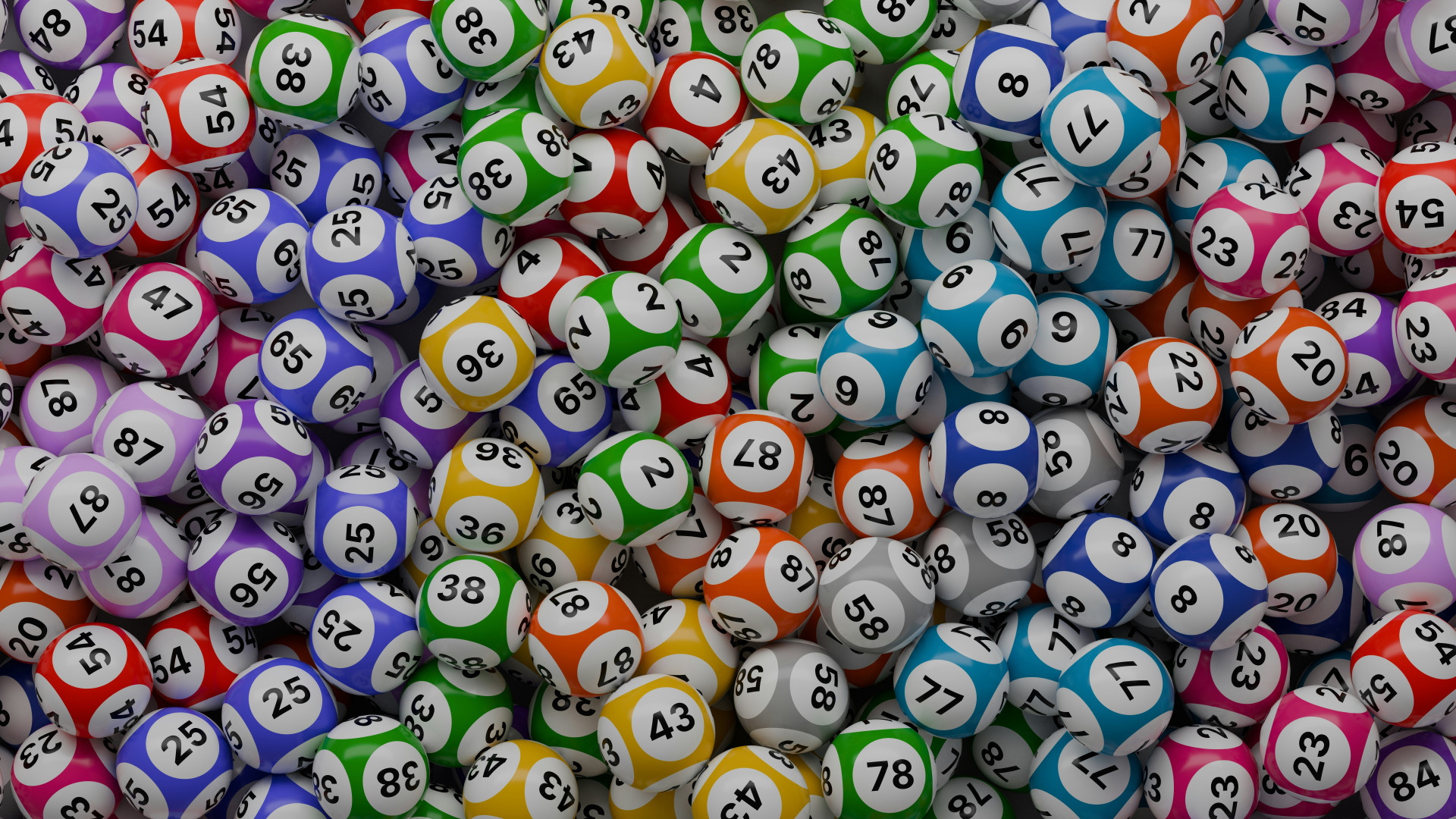
When Probability Becomes Visible: How Visualization Shapes Our Understanding of the Lottery
Most Americans know that the odds of winning the lottery are astronomically low—yet millions still buy tickets every week, chasing the dream of instant wealth. It’s a paradox that reveals how humans often struggle to grasp probability. In recent years, educators, data scientists, and journalists have turned to visualization—graphs, simulations, and interactive tools—to make those odds more tangible. But what happens to our perception when probability becomes something we can actually see?
When Numbers Turn Into Pictures
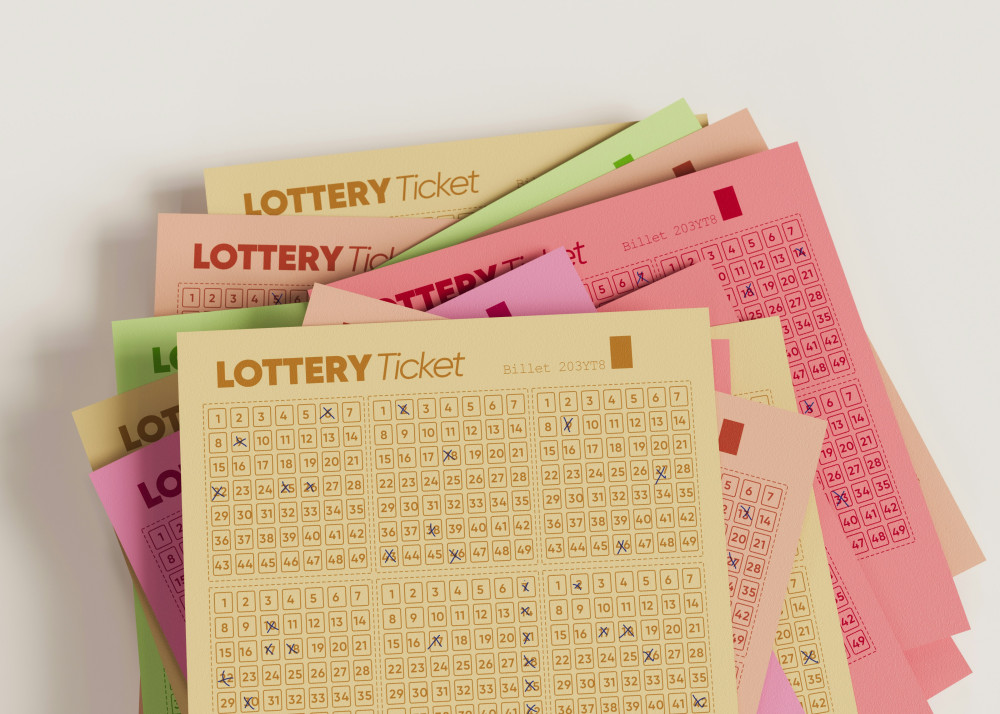
Probability is abstract. Hearing that the odds of winning Powerball are about 1 in 292 million doesn’t mean much to most people. But when that number is visualized—say, as a grid of 292 million dots with only one highlighted—it suddenly becomes real. Visualization allows us to “see” what numbers alone can’t convey.
Research in cognitive psychology shows that people understand proportions more intuitively when they’re presented visually rather than numerically. A simple image of 10,000 tickets with just one marked as a winner can evoke a gut-level sense of how small the chance really is. That shift from numbers to images can subtly change how we think—and sometimes how we act.
Læs også:

The Emotional Dimension
Visualization isn’t just about comprehension; it’s also about emotion. Seeing millions of losing tickets can spark awe at how random luck truly is. For some, that realization dampens the urge to play. For others, it makes the fantasy of being “the one” even more thrilling.
Psychologists talk about “emotional probability”—our intuitive sense of risk and chance, which often diverges from mathematical reality. Visualizations can help align those two perspectives, but they can also amplify the emotional pull of the improbable. The sight of that single winning dot among millions can be both sobering and seductive.
From Statistics to Experience
Some state lotteries and educational campaigns now use interactive tools that let users simulate thousands of draws, showing how rarely a win occurs. These tools turn probability into an experience rather than an abstraction.
Clicking through hundreds of losing tickets before finally hitting a win drives the point home in a way that numbers never could. It’s a kind of embodied learning—one that sticks because it’s felt, not just understood.
Can Visualization Change Behavior?
The big question is whether visualization actually changes how people play. Studies suggest the effect is mixed. Some players become more cautious after seeing the odds visualized; others treat it as part of the excitement. For many, the lottery isn’t just about probability—it’s about hope, ritual, and the small thrill of possibility.
Even if visualization doesn’t drastically reduce ticket sales, it can foster a more realistic understanding of what’s at stake. It helps people talk about probability in a way that feels concrete—and that, in itself, is valuable.
When Knowledge Becomes Visible
Making probability visible is ultimately about bridging the gap between numbers and intuition. Visualization can’t erase the dream of winning, but it can clarify what that dream really means. When we see how tiny the odds are, we’re reminded that the lottery isn’t a plan—it’s a game of chance.
And perhaps that’s where its enduring fascination lies: in the tension between reason and hope, between statistics and imagination.
Læs også: