Understanding Probability Without Formulas – Using Statistics the Simple Way

Understanding Probability Without Formulas – Using Statistics the Simple Way
Probability often sounds like a complicated math topic filled with formulas and symbols. But in reality, it’s about something we all deal with every day: uncertainty, chance, and patterns. You use probability when you decide whether to bring an umbrella, buy a lottery ticket, or invest in the stock market. Here’s a simple way to understand and use probability—without doing any math.
What Does Probability Really Mean?
Probability is about how likely something is to happen. When the weather forecast says there’s a 70% chance of rain, it doesn’t mean it will rain 70% of the day—it means that out of 10 days with similar conditions, it will probably rain on about 7 of them. It’s a way of describing uncertainty based on data and experience.
You use the same idea in everyday life. If your bus tends to run late about three days a week, you can say there’s roughly a 40% chance it’ll be late today. You don’t need a formula—just a sense of how often something happens.
Statistics as Your Everyday Tool
Statistics is the tool that helps us understand probability in real life. It collects and summarizes data so we can see patterns and trends. When you read that 6 out of 10 Americans drink coffee every day, that’s statistics showing the likelihood that you might do the same.
You can use statistics to make better decisions:
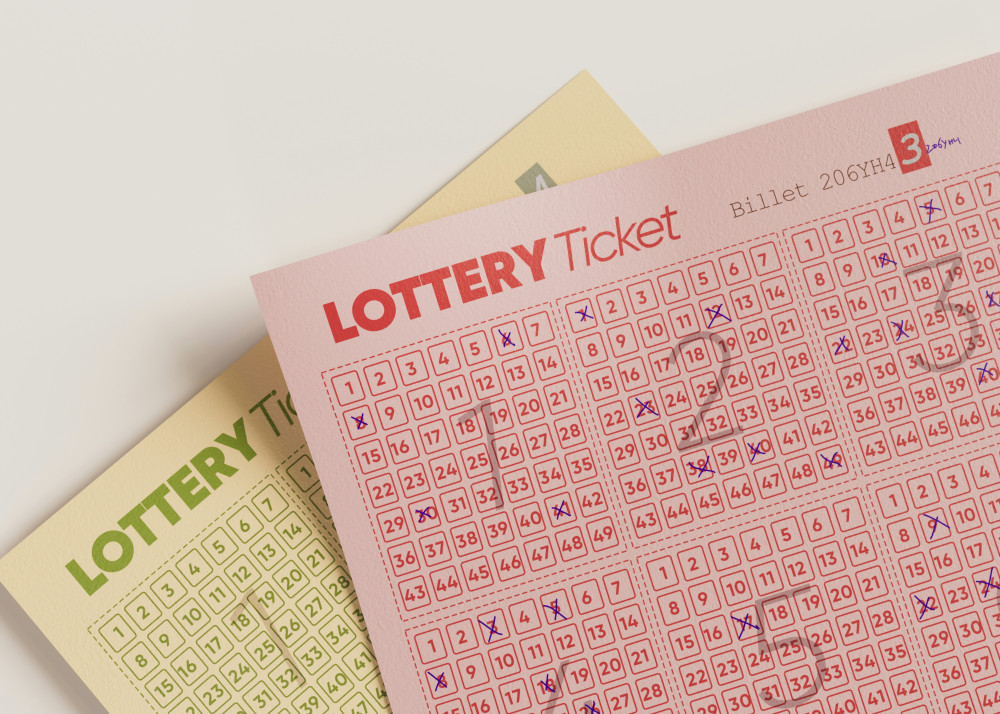
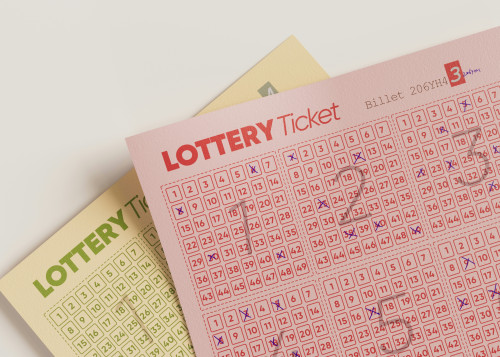
- When you play: How often do people actually win the lottery? Statistics show the odds are tiny—but not zero.
- When you shop: If a product has 95% positive reviews, there’s a good chance you’ll be satisfied too.
- When you plan: If it rains on 30% of summer days in your area, you can plan your picnic with realistic expectations.
Statistics help you look beyond single events and see what usually happens.
Læs også:
Think in Patterns, Not Miracles
People tend to overestimate rare events. We remember the big wins but forget all the times nothing happened. Probability is about seeing the bigger picture. If you flip a coin ten times, you might get heads eight times—but over hundreds of flips, it will even out to about half heads and half tails.
The same is true in life. One experience doesn’t tell the whole story. Only when you look at many examples do the patterns start to appear. That’s where probability and statistics meet—understanding that randomness balances out over time.
Trust Your Intuition—But Check It with Facts
Humans are naturally good at sensing probability. We can feel when something is “unlikely” or “pretty certain.” But our intuition can trick us. For example, many people think that after losing several times in a row, they’re “due” for a win. In reality, each game starts fresh—the odds don’t change.
That’s why it’s smart to combine gut feeling with data. Look at evidence, experience, and statistics before drawing conclusions. It helps you judge risk more accurately and make better long-term decisions.
Everyday Probability—No Math Required
You don’t need to calculate anything to understand probability. You can use simple observations:
- How often does something happen? (Is it rare or common?)
- What does experience tell you? (Is there a pattern?)
- What factors might influence the outcome? (Are there things you can control?)
When you think this way, you’re already using statistics—just in a practical form. It’s not about predicting the future, but about understanding the chances behind it.
A New Way to See Randomness
Understanding probability without formulas means seeing the world as a mix of chance and pattern. You can’t control everything, but you can understand how the odds work—and use that knowledge to make smarter choices.
So next time someone says, “It’s just luck,” you can smile and think: maybe—but there’s also a bit of statistics behind it. Probability isn’t magic; it’s a way to make uncertainty a little more understandable.
Læs også: