Rewards as Motivation – How Prizes Have Driven Players Through the Ages


Rewards as Motivation – How Prizes Have Driven Players Through the Ages
From the first colonial lotteries in early America to today’s digital gaming worlds, the promise of a reward has always been one of the strongest forces driving human participation. Prizes—whether cash, trophies, or virtual badges—have served not only as rewards but also as symbols of hope, achievement, and the dream of transformation. But how exactly have rewards motivated players through the ages, and why do we keep chasing the thrill of winning?
From Colonial Lotteries to National Pride
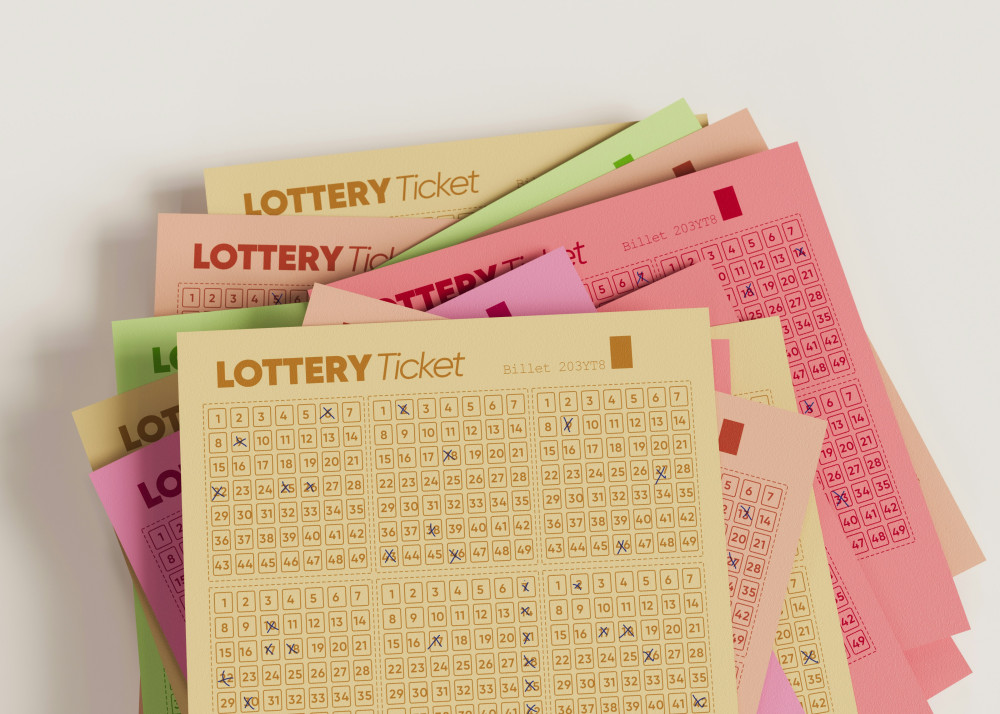
The earliest recorded lotteries in what would become the United States date back to the 1600s. The Virginia Company used lotteries to raise funds for the Jamestown settlement, and later, many colonies followed suit. The prizes were often money or valuable goods, but for participants, it wasn’t just about the reward—it was about being part of something larger. Buying a ticket meant supporting public works, churches, and universities, while also indulging in the dream of sudden fortune.
By the 18th and 19th centuries, lotteries had become a fixture of American life. They funded roads, bridges, and even the early buildings of Harvard and Yale. Winning a prize was seen as a sign of luck and divine favor, a way to rise above one’s circumstances in a society that prized self-made success.
The Modern Dream of Prosperity
With industrialization and the rise of mass media in the 19th and 20th centuries, the role of prizes evolved. Lotteries, sweepstakes, and contests became part of popular culture, and advertising began to play on the idea that “anyone could win.” The prize was no longer just a financial goal—it became a symbol of freedom, success, and the American Dream itself.
In the mid-20th century, television game shows like The Price Is Right and Wheel of Fortune turned winning into a national spectacle. The excitement of seeing ordinary people win cars, vacations, or cash prizes captured the imagination of millions. Even small wins—a free soda cap, a raffle ticket, a scratch-off card—offered a momentary escape from routine and a taste of possibility.
The Psychology of Play: Hope, Excitement, and Dopamine
Research into gaming behavior shows that it’s not only the prize itself that motivates us, but also the anticipation of it. When we play a game of chance, our brains release dopamine—the neurotransmitter associated with pleasure and reward. This means that the very act of playing, of imagining the win, can be as satisfying as the win itself.
That’s why rewards are such powerful motivators: they combine hope, risk, and reward into a single emotional experience. Even when the odds are slim, the feeling of “it could be me” keeps us engaged. It’s the same mechanism that drives people to pull slot machine levers, enter online giveaways, or collect points in mobile games.
Læs også:

From Physical Tickets to Digital Rewards
Today, prizes have taken on countless new forms. In online games and apps, rewards can be virtual—points, badges, or exclusive items—but they trigger the same psychological response as traditional prizes. Game designers use reward systems to keep players engaged, often mimicking the structure of lotteries with random rewards and “loot boxes.”
Meanwhile, traditional lotteries and contests have adapted to the digital age. Mobile apps make it possible to play anywhere, and social media creates communities around the shared dream of winning. The prize remains the driving force—but now it’s wrapped in technology, design, and social connection.
When Rewards Become Part of Everyday Life
Even though few people win the big jackpots, prizes still play a role in everyday life. They represent the hope that something unexpected and positive might happen—a small break from predictability. For some, it’s a fun tradition; for others, a social activity or a personal challenge.
But rewards also invite reflection: why do we keep dreaming of winning? Perhaps because the prize isn’t just about money—it’s about the feeling of possibility, the belief that luck might turn in our favor.
A Motivation That Never Fades
From colonial lotteries to modern video games, rewards have been a constant part of human culture. They speak to our curiosity, our hope, and our desire to test fate. Whether the prize is a handful of coins, a new car, or a digital trophy, the driving force remains the same: the wish to experience the unexpected and the thrill of victory.
And maybe that’s why rewards—in all their forms—will continue to motivate players for generations to come.
Læs også: