More Tickets, Better Odds? How the Number Affects Your Chances of Winning

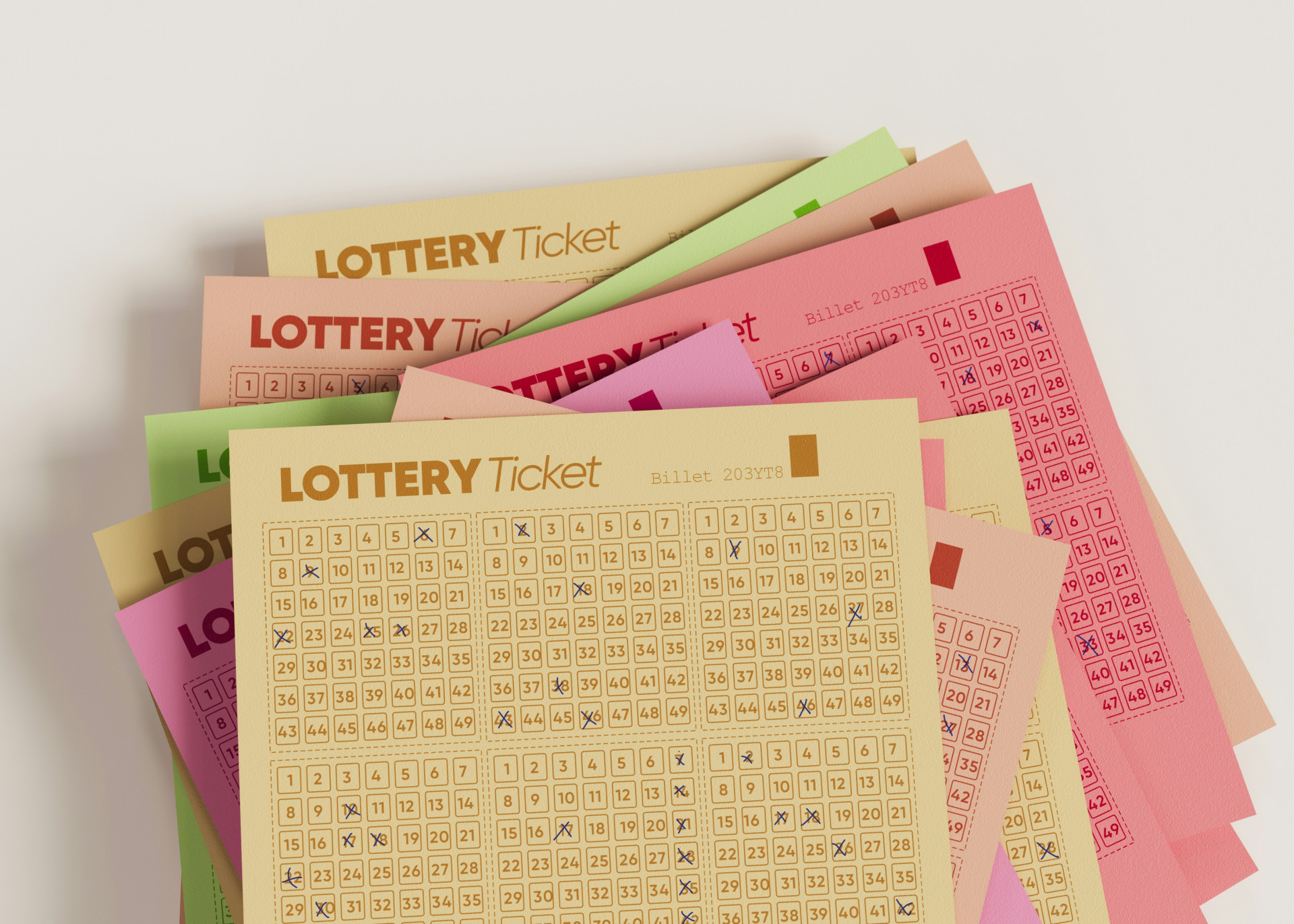
More Tickets, Better Odds? How the Number Affects Your Chances of Winning
The dream of hitting the jackpot drives millions of Americans to buy lottery tickets every week. “The more tickets you buy, the better your chances,” people say — but how much does that really change your odds? And when does it actually make sense to buy more? Let’s take a closer look at how probability works in lotteries and what you really gain by increasing the number of tickets you hold.
Probability in Its Simplest Form
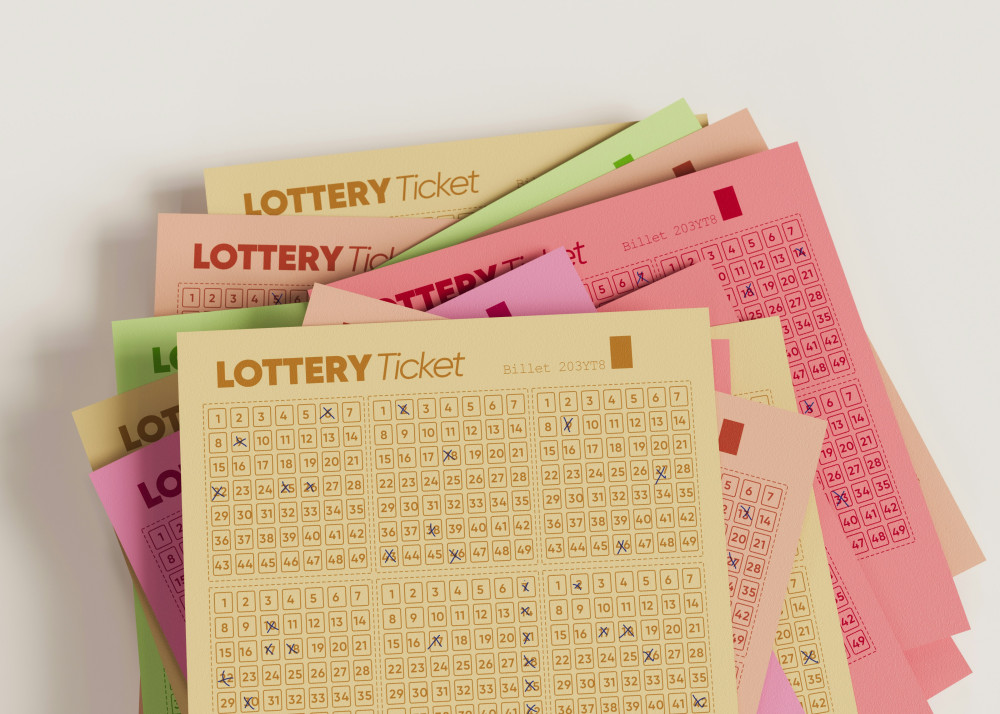
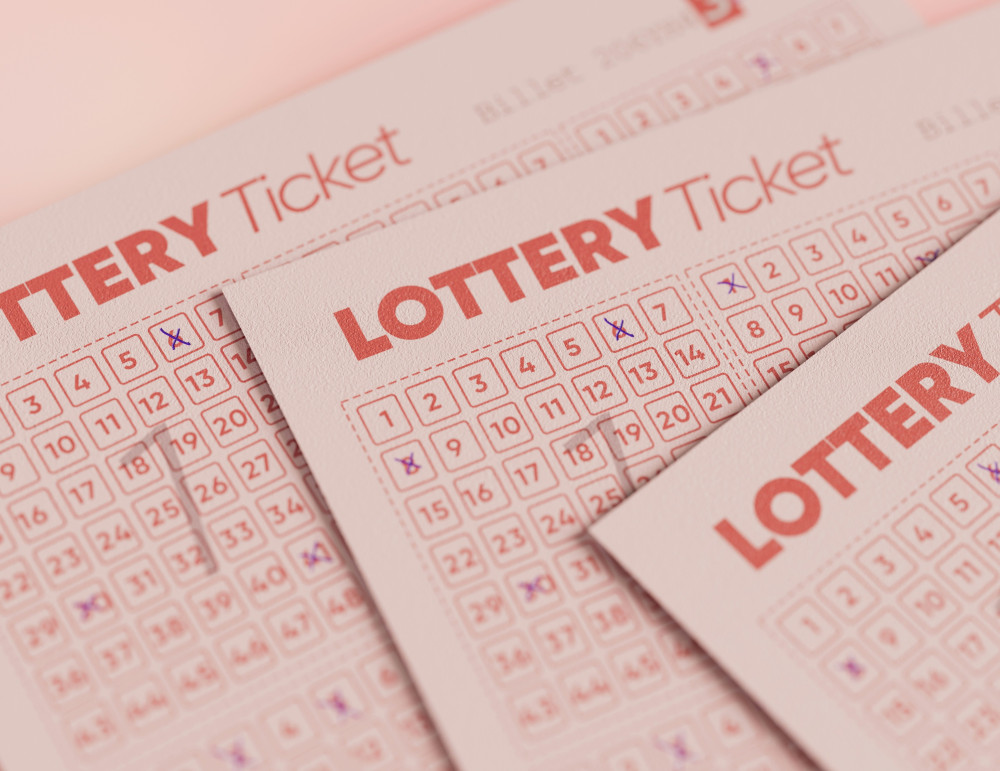
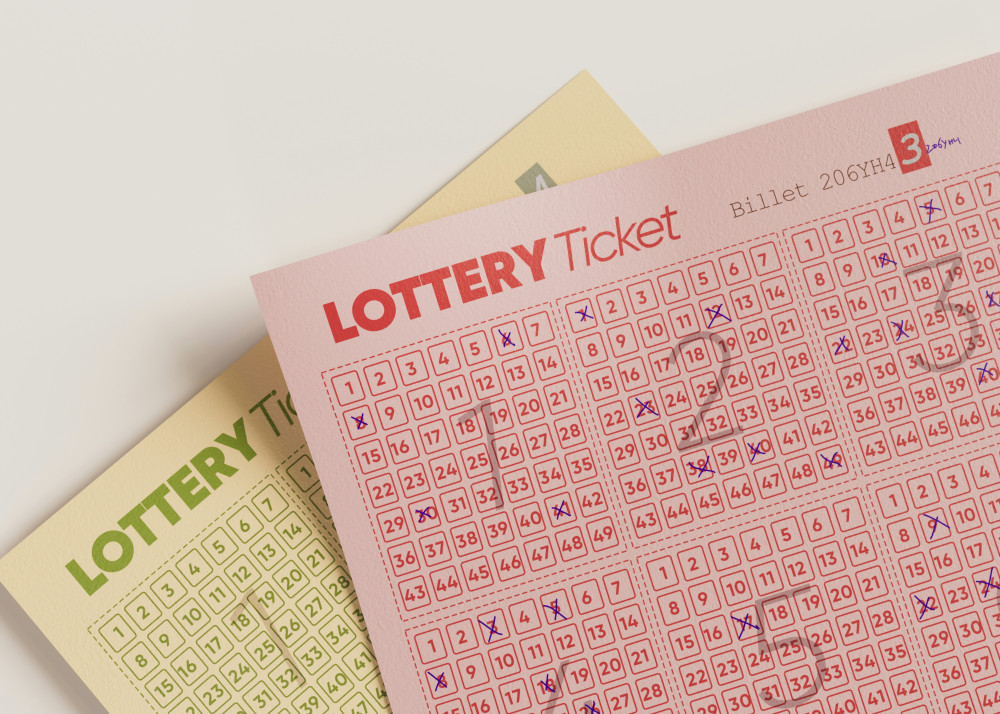
A lottery is, at its core, a game of chance. Each ticket has an equal probability of being drawn as the winner. If a lottery sells 300 million tickets — roughly the number of possible combinations in Powerball — and you buy one, your chance of winning the jackpot is 1 in 300 million.
Buy two tickets, and you double your chance — but only in absolute terms. You go from 1 in 300,000,000 to 2 in 300,000,000. That’s technically twice as good, but in practice, the difference is still microscopic. The odds remain overwhelmingly against you, even with multiple tickets.
The Math Behind the Odds
When you buy more tickets, you do increase your chances, but not in a way that changes the nature of the game. The probability of winning at least once can be calculated as:
1 – (1 – p)^n, where p is the probability of winning with one ticket, and n is the number of tickets you buy.
For example, if p = 1/300,000,000 and you buy 100 tickets, your chance of winning becomes about 1 in 3,000,000. That’s a big improvement mathematically, but still an incredibly small chance in real life. You’re still far more likely to be struck by lightning than to win the jackpot.
Læs også:
The Psychology of “More Tickets”
Even though the numbers show that the improvement is minimal, it feels different to many players. Having more tickets gives a sense of control and participation — as if you’re actively improving your fate. This feeling is part of what makes lotteries so compelling.
Psychologists call this the illusion of control — the tendency to overestimate our influence over random outcomes. It’s a powerful motivator that keeps people engaged, even when the odds are objectively tiny.
When Does It Make Sense to Buy More?
If you play for fun and have a set entertainment budget, buying a few extra tickets can make the experience more exciting. It slightly increases your odds and adds to the thrill of the draw. But if you’re buying more tickets because you think it will meaningfully improve your chances of winning, it’s worth remembering that the odds remain extremely low.
A good rule of thumb is to treat the lottery as entertainment, not as an investment. Only spend what you can comfortably afford to lose, and enjoy the anticipation rather than expecting a financial return.
Thinking More Strategically
While you can’t change the randomness of the draw, you can make smarter choices about how you play:
- Look for smaller lotteries – State or local lotteries often have better odds than national ones like Powerball or Mega Millions.
- Join a lottery pool – You’ll share any winnings, but your group’s combined tickets increase the chance that someone wins.
- Set a spending limit – Decide in advance how much you’ll spend each month so the game stays fun and responsible.
These strategies don’t alter the fundamental odds, but they can make your participation more balanced and sustainable.
Conclusion: More Tickets Help — But Only a Little
Mathematically, the answer is clear: yes, buying more tickets increases your chances of winning. But the improvement is far smaller than most people imagine. For most players, the lottery isn’t about strategy — it’s about the dream, that tiny spark of hope that comes with every ticket.
So the next time you’re tempted to buy an extra ticket, go ahead if it adds to your enjoyment. Just remember: luck, not quantity, is what ultimately decides who takes home the prize.
Læs også: