Traditions and Rules in Bingo – How They’re Managed in Clubs and Organizations

Traditions and Rules in Bingo – How They’re Managed in Clubs and Organizations
For many Americans, bingo is more than just a game of chance – it’s a social tradition that brings people together across generations. From church basements and veterans’ halls to community centers and senior clubs, bingo nights have long been a staple of local life. Behind the laughter, the friendly competition, and the calls of “Bingo!” lies a well‑organized system of rules and customs that keep the game fair, fun, and meaningful. Here’s a closer look at how traditions and regulations are managed in U.S. bingo clubs and organizations.
A Tradition Rooted in Community
Bingo has deep roots in American community life. Many clubs host weekly or monthly games that serve as social gatherings as much as fundraisers. Players come not only for the prizes but also for the camaraderie – to catch up with friends, share stories, and enjoy a familiar routine.
In many places, the same faces return week after week, often sitting at their “usual” tables. Volunteers or staff members handle everything from selling cards to calling numbers, creating a sense of order and continuity. This blend of structure and friendliness is what gives bingo its enduring charm.
Læs også:


The Rules – Ensuring Fair Play
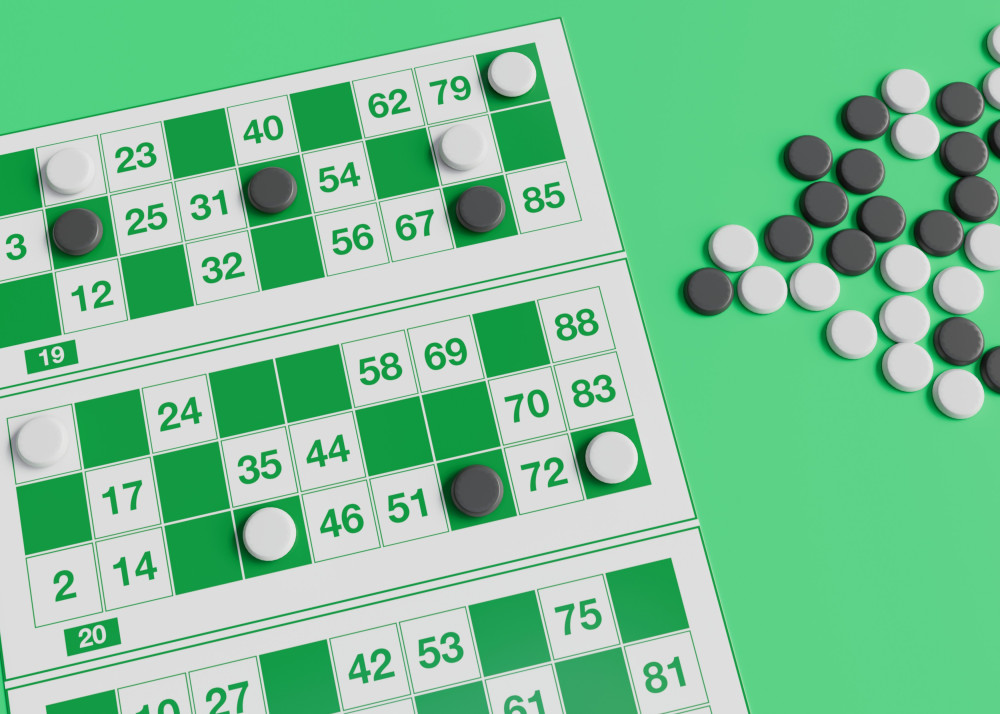
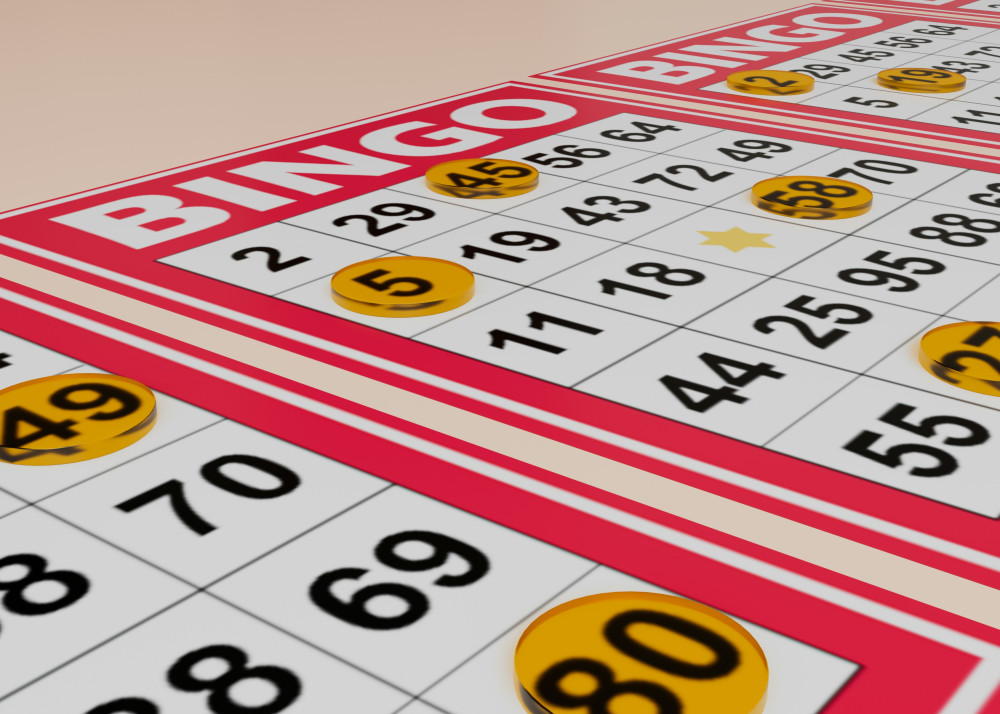
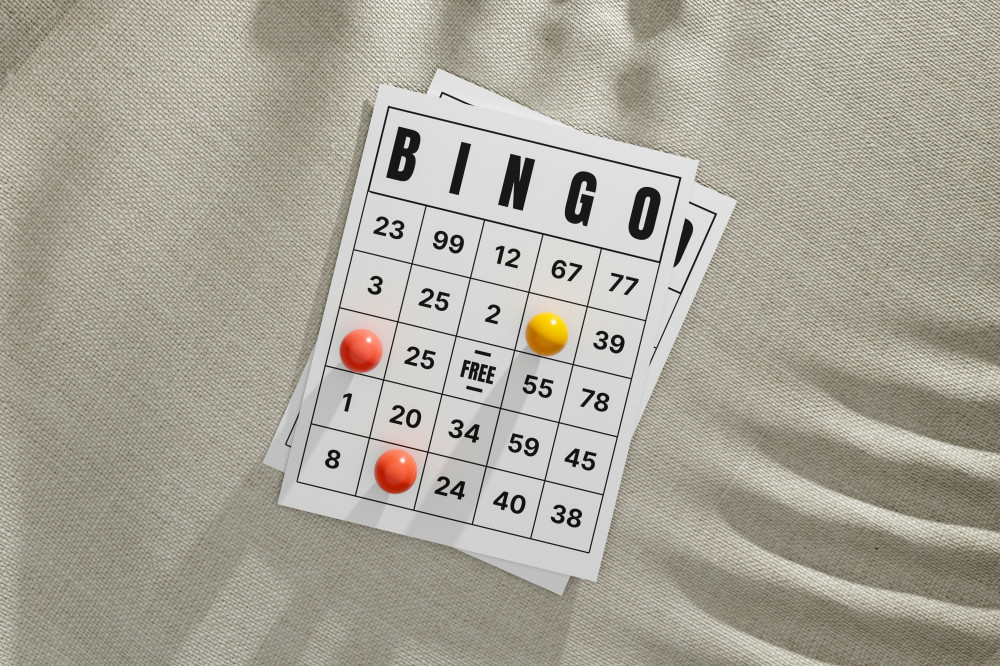
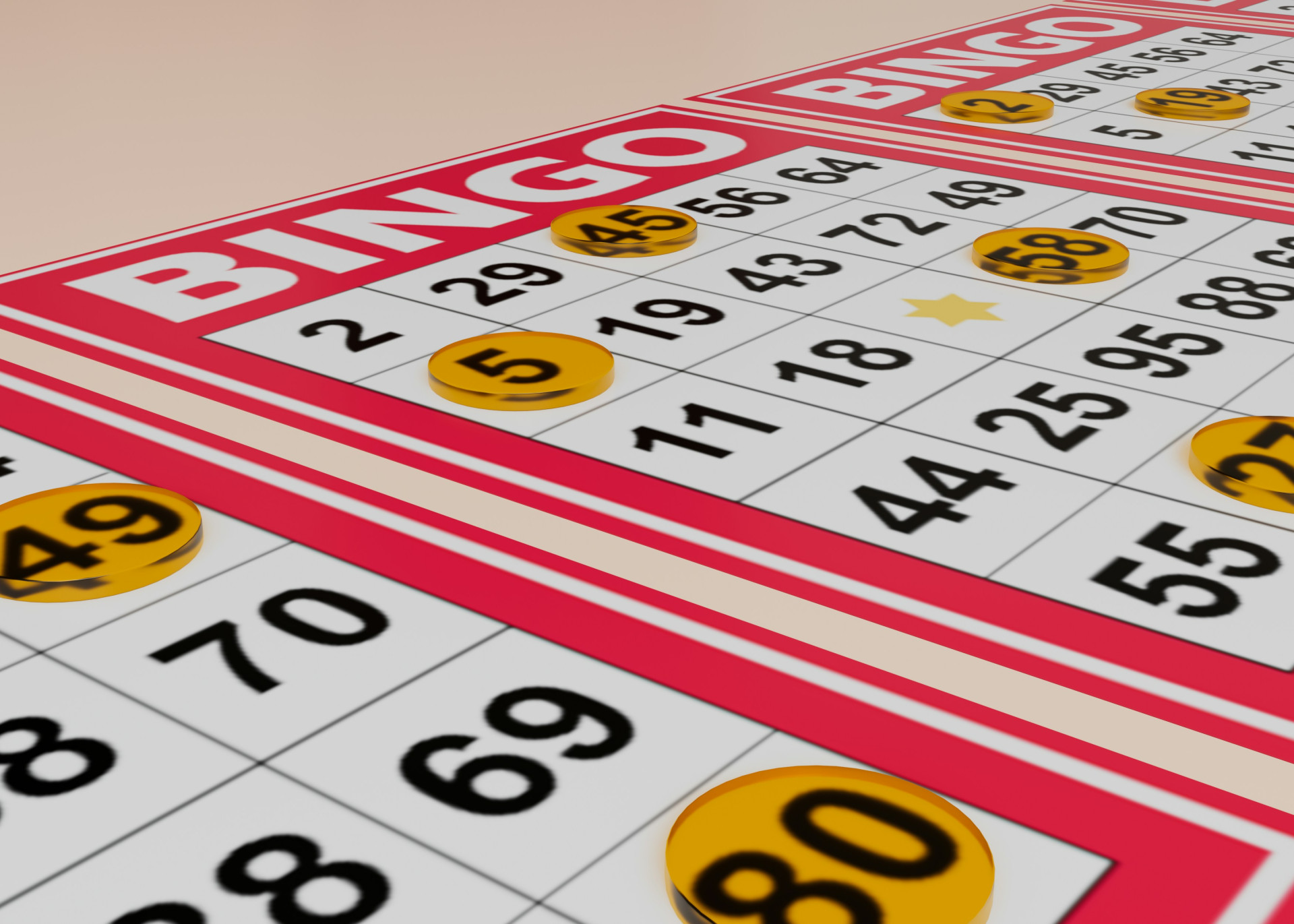
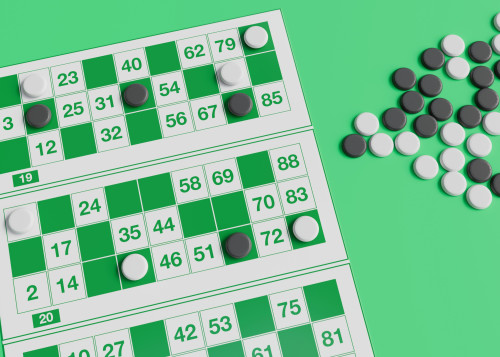
Although bingo is simple in concept, it’s governed by clear rules designed to ensure fairness. Each game uses randomly drawn numbers, and players mark them on their cards until someone completes a winning pattern – often a line, four corners, or a full card. When a player calls “Bingo,” the game pauses while the card is verified.
Most clubs have a designated caller and one or more checkers who confirm the win before awarding the prize. In the United States, bingo games that involve money or prizes are often subject to state and local regulations, especially when organized by nonprofits or charitable groups. These laws help maintain transparency and protect both players and organizers.
Traditions That Build Familiarity
Beyond the official rules, every bingo hall has its own traditions. Some clubs start each session with a short welcome or prayer, while others have themed nights – such as holiday bingo or charity events supporting local causes. Many players bring lucky charms, favorite daubers, or snacks to share with their tablemates.
These small rituals create a sense of belonging and continuity. For regulars, the familiar rhythm of the evening – the caller’s voice, the friendly banter, the anticipation before each number – is as important as the game itself.
Volunteers and Organization – Keeping It All Running
In most community and nonprofit settings, bingo nights are run by volunteers. They handle logistics such as setting up tables, managing entry fees, distributing cards, and keeping track of finances. Because bingo often serves as a fundraiser for churches, schools, or veterans’ groups, accurate record‑keeping and compliance with local gaming laws are essential.
Many organizations have written guidelines outlining how games should be conducted, how disputes are resolved, and how proceeds are used. This structure ensures that everyone knows their role and that the event runs smoothly from start to finish.
Bingo as a Social Anchor
For many older adults – and increasingly for younger players discovering the game – bingo provides a vital social outlet. It’s a place to connect, laugh, and share small victories. In some communities, proceeds from bingo nights help fund youth programs, community projects, or charitable initiatives, giving the game a deeper sense of purpose.
The welcoming atmosphere makes it easy for newcomers to join in. Whether someone comes alone or with friends, they’re quickly drawn into the friendly rhythm of the evening.
A Living Tradition That Adapts
While traditional in‑person bingo remains popular, many clubs have embraced new formats, including online or hybrid games. Yet even as technology changes the way people play, the heart of bingo – community, fairness, and fun – remains the same.
Bingo continues to thrive because it balances tradition with adaptability. Whether played in a bustling hall or through a digital screen, it still brings people together, reminding everyone that the real prize is the shared experience of play and connection.
Læs også: