Learn Numbers and Symbols with Bingo – A Fun Tool for Beginners

Learn Numbers and Symbols with Bingo – A Fun Tool for Beginners
Learning numbers and symbols can be a challenge for both children and adults who are just starting to explore the world of math, patterns, and logic. But learning doesn’t have to be dull – quite the opposite. With bingo as a learning tool, you can combine play, excitement, and education in a way that motivates and engages. Here’s how you can use bingo as a fun and effective way to learn numbers and symbols.
Why Bingo Works as a Learning Tool
Bingo is a game built on recognition, focus, and quick reactions – three skills that are also essential for learning. When players listen, look, and respond to the numbers or symbols being called, they strengthen both memory and attention.
For beginners learning to recognize numbers, letters, or simple symbols, bingo provides a natural setting for repetition without it feeling like a drill. The game creates a positive atmosphere where learning happens through play and friendly competition.
Adjust the Game to the Skill Level
One of the great advantages of bingo is that it can be adapted to almost any age group. For young children, you can use cards with numbers from 1 to 10 or simple shapes like circles, triangles, and stars. For older kids, you can expand to numbers up to 100, letters, or even simple math problems.
- Beginner level: Use large, clear numbers and colorful symbols. Repeat often and give players time to find the right spot.
- Intermediate level: Combine numbers and symbols – for example, “find the number 7 and the red triangle.”
- Advanced level: Add small challenges like “find the number that’s two more than 5” or “find the symbol that means plus.”
By adjusting the difficulty, bingo can be used in preschools, elementary classrooms, and even adult education.
Læs også:
How to Make Your Own Bingo Cards
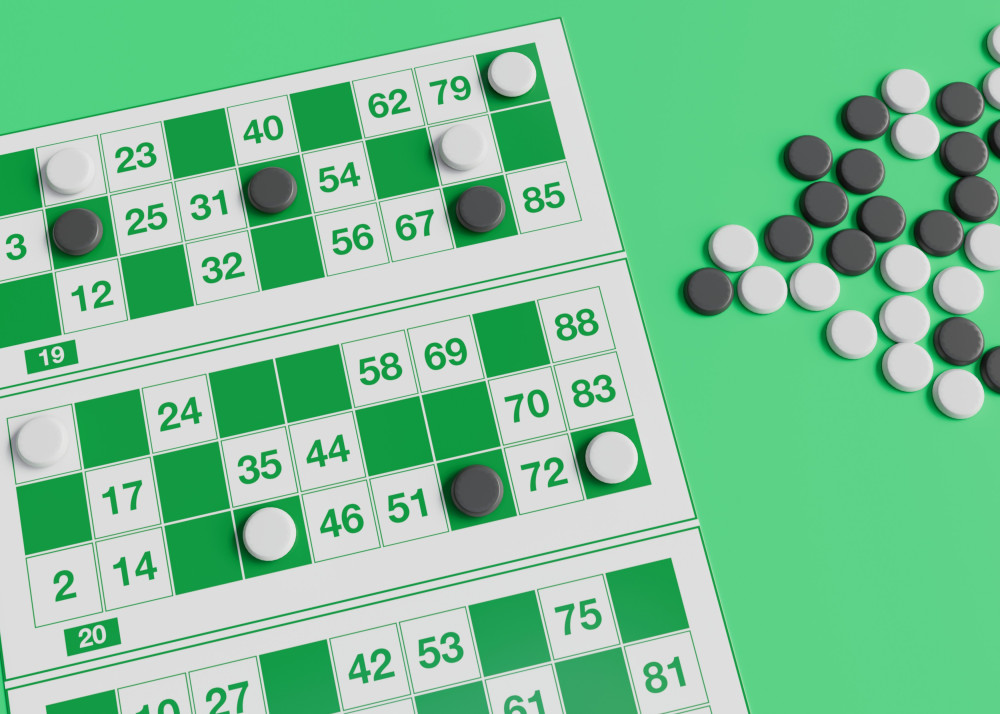
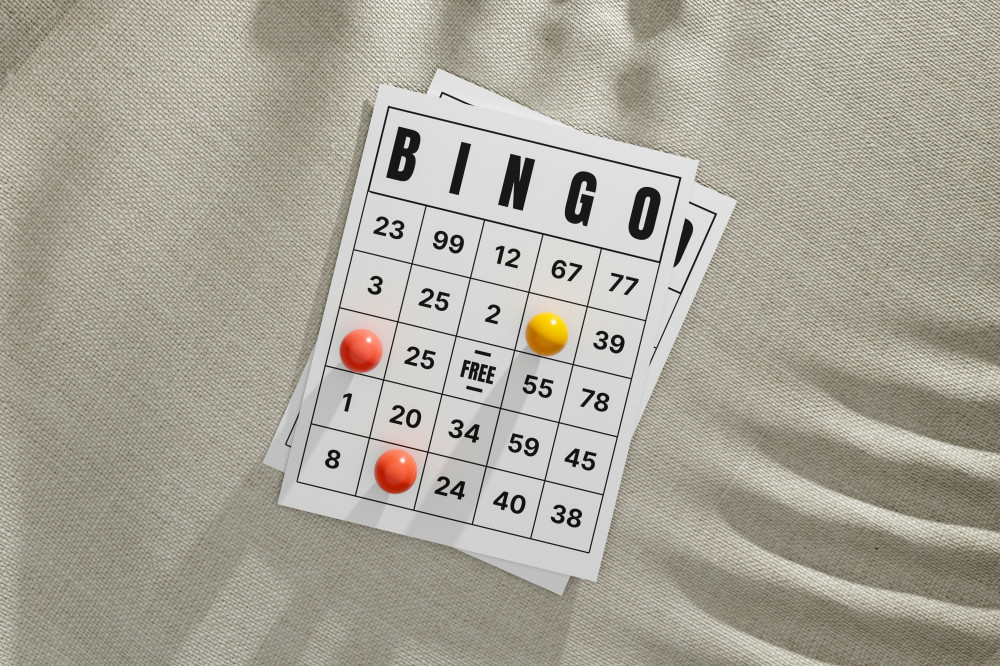
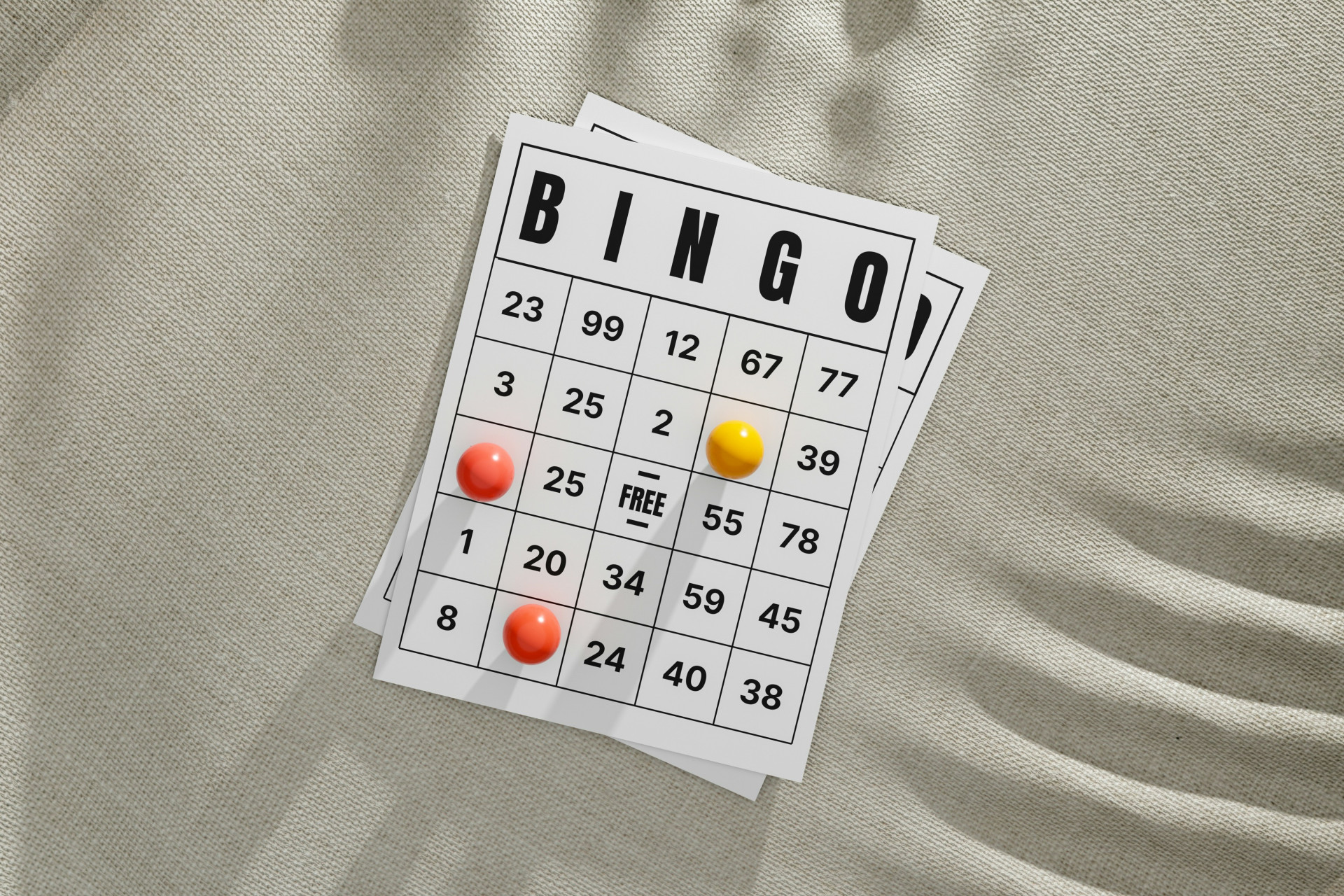
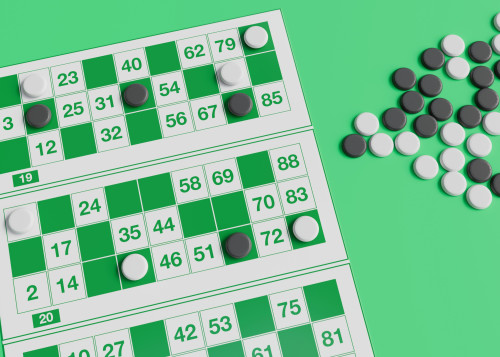
It doesn’t take much to get started. You can easily make your own bingo cards with paper, markers, and a bit of creativity. Draw a grid – for example, 3x3 or 5x5 squares – and fill them with the numbers or symbols you want to practice. Make several different cards so not everyone has the same combination.
To make it extra fun, use stickers, colors, or small pictures. There are also free online tools that let you generate and print bingo cards automatically.
Bring Learning to Life
To keep the energy up, try varying the way you play. Instead of just calling out numbers, you can:
- Sing or rhyme the numbers – for example, make up a short chant or rhyme for each one.
- Add movement – let players jump, clap, or make a motion when they get a match.
- Use themes – create “animal bingo,” “color bingo,” or “symbol bingo,” depending on what you want to teach.
When learning is combined with movement and play, it becomes easier to remember and more enjoyable to participate in.
Bingo Builds Community
Bingo isn’t just an individual game – it also builds a sense of community. When children or adults play together, they learn to take turns, cheer for one another, and celebrate shared successes. That makes the game perfect for classrooms, daycare centers, and family game nights at home.
For teachers and caregivers, bingo can be a great supplement to daily lessons. It requires minimal preparation but delivers big results in motivation and participation.
Turning Play into Learning
When you see children sitting with eager eyes, waiting for the next number to be called, it’s clear that bingo has something special to offer. It transforms learning into an experience where focus and joy go hand in hand. And the best part? Everyone can join in – no matter their age or skill level.
So next time you want to practice numbers, symbols, or letters, grab those bingo cards. It’s a simple, fun, and effective way to learn – and maybe even the start of a new tradition at home or in the classroom.
Læs også: