Bingo as a Community: A Game That Includes Every Child

Bingo as a Community: A Game That Includes Every Child
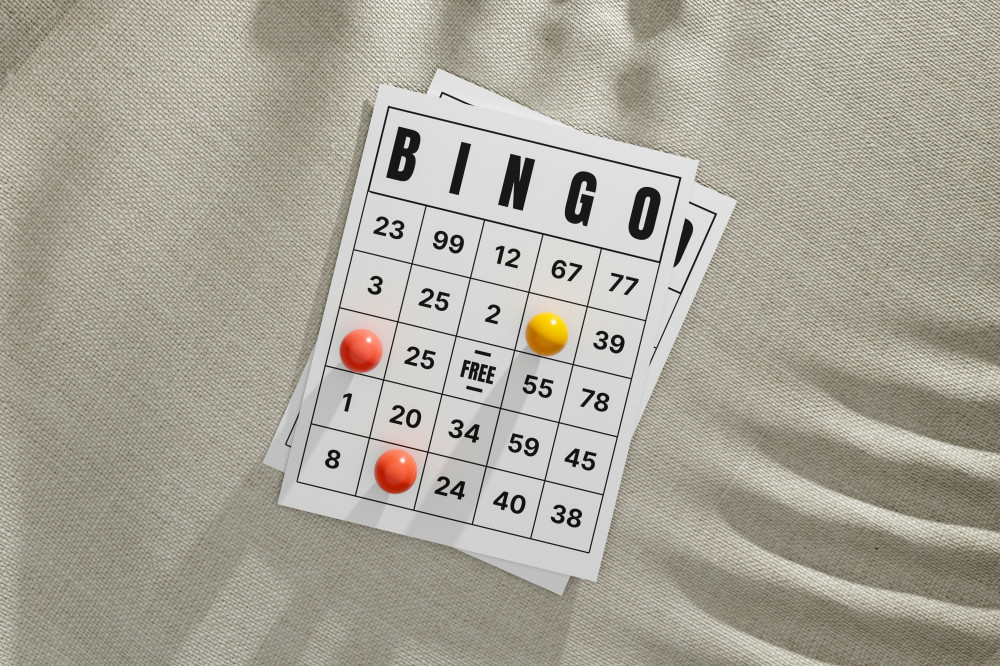
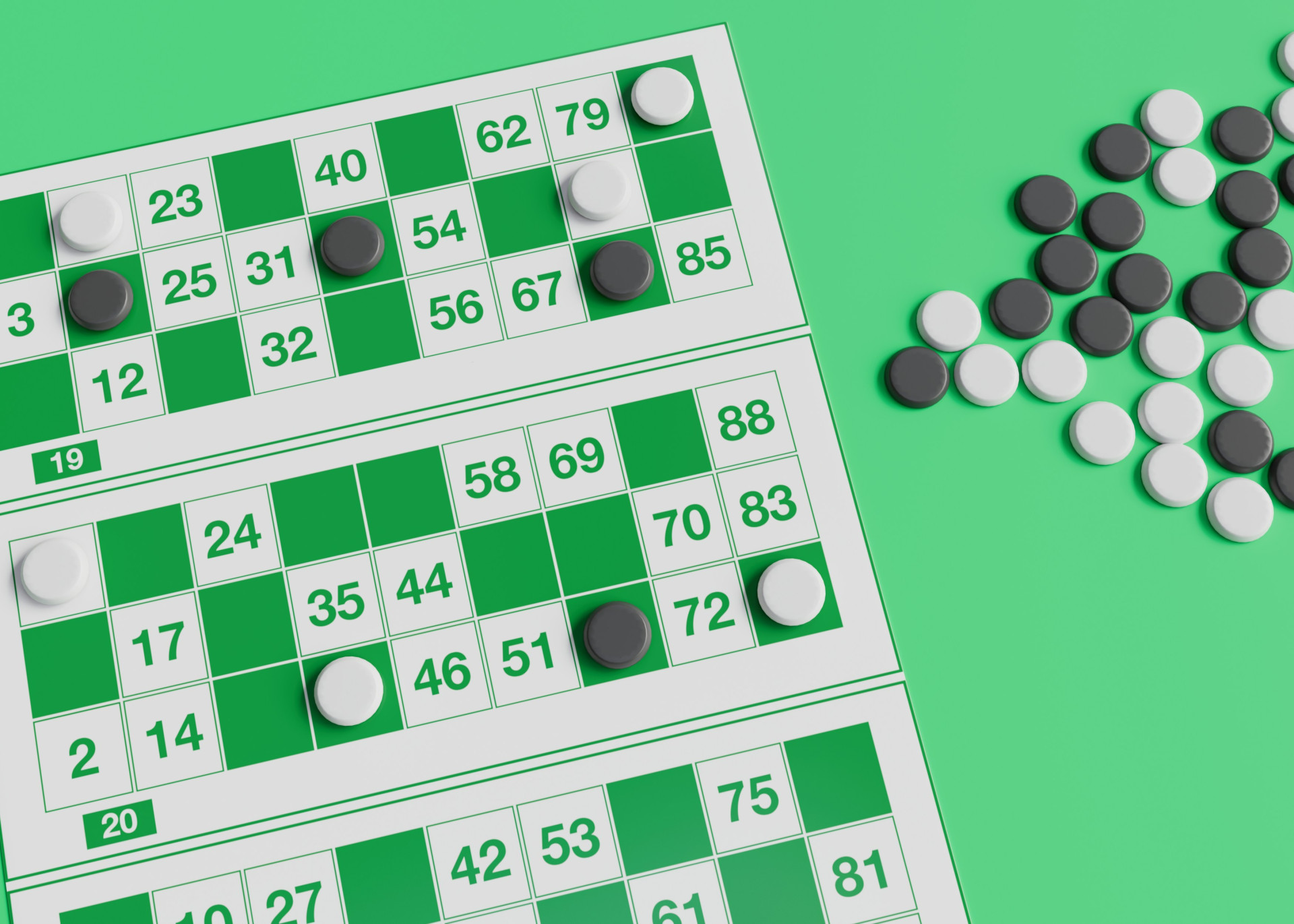
Bingo is more than just a game of numbers and cards—it’s a way to bring children together across ages, interests, and backgrounds. In a world where many activities focus on competition and individual achievement, bingo offers a space where everyone can join in on equal terms. It’s about connection, excitement, and the simple joy of being together.
A Game Without Losers
One of bingo’s greatest strengths is its accessibility. It doesn’t require special skills, athletic ability, or academic talent. Every child can take part—whether they’re quick with numbers, love patterns, or just enjoy shouting “Bingo!” The game is based on chance, which means everyone has the same opportunity to win. That creates a safe and welcoming environment where children can participate without fear of being left out or feeling “not good enough.”
For many kids—especially those who struggle in competitive settings—bingo can be a refreshing way to experience success and belonging. It’s a game where players cheer for one another, laugh together, and share the thrill of waiting for that final number to be called.
Building Community Through Bingo
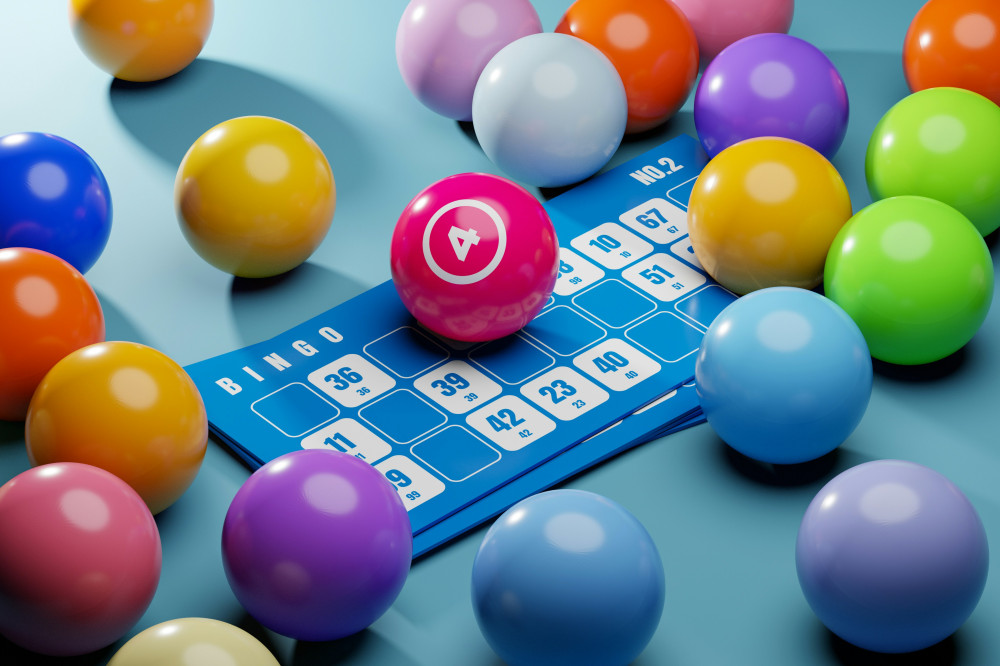
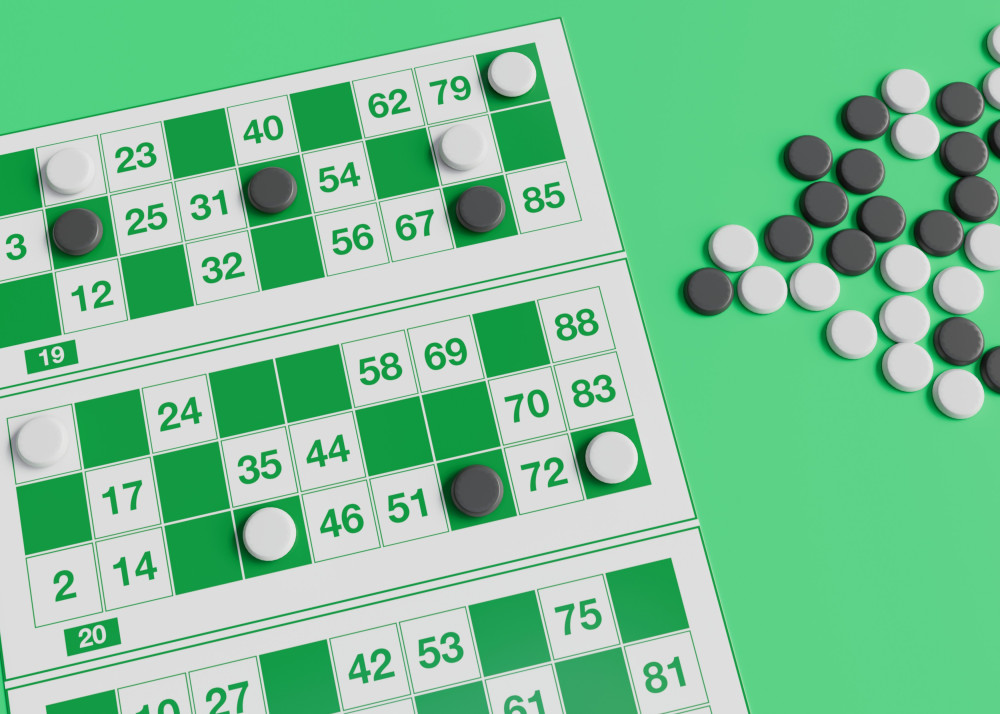
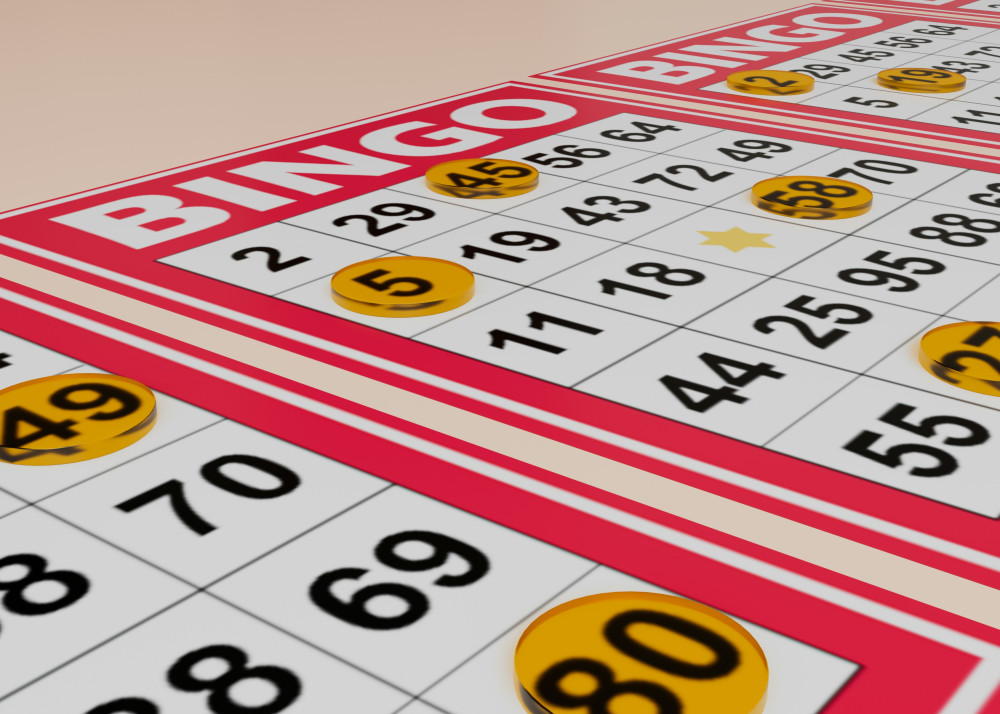
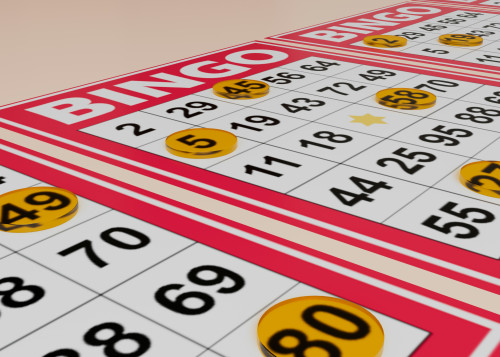
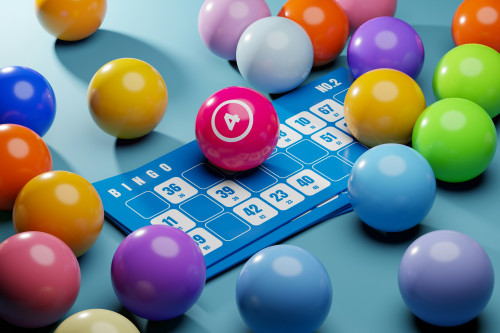
Bingo can be played almost anywhere: in classrooms, at birthday parties, during after-school programs, or at community centers. It only takes a few simple materials—cards, markers, and a caller—but what truly matters is how the game is played.
- Add variety – Create themed bingo cards that match children’s interests: animals, colors, holidays, or favorite story characters.
- Involve the kids – Let them design or decorate their own cards. It gives them ownership and makes the game more personal.
- Focus on togetherness – Celebrate not just the winner but the whole group. Maybe everyone gets a small prize, or the game ends with a shared activity.
- Use bingo for learning – Adapt the game for educational purposes: word bingo for reading, math bingo for practicing numbers, or picture bingo for language learning.
When used as a teaching tool, bingo becomes both fun and educational—a way to strengthen cooperation and social skills while keeping children engaged.
Inclusion in Action
Bingo is a natural fit for inclusive environments. Children with different needs can participate equally because the game is easy to adapt. For example, kids with visual impairments can use cards with large symbols, while those with motor challenges can have assistance marking their spaces.
The key is ensuring that every child feels part of the game. When children experience that they can contribute and belong, their confidence grows—and so does their willingness to join other group activities. Bingo, in this way, becomes more than a pastime; it’s a tool for building empathy and community.
Læs også:
From Game to Tradition
Many schools, libraries, and youth programs across the U.S. have made bingo a regular part of their group activities. It might be used to wrap up a learning unit, celebrate a holiday, or simply bring everyone together on a Friday afternoon. When children know the game and look forward to it, bingo becomes a tradition that strengthens bonds and creates shared memories.
The beauty of bingo lies in its simplicity. It doesn’t require expensive equipment or special preparation—just the desire to play together. And that’s exactly why it can create a sense of belonging where every child feels included.
A Game That Brings Us Together
In a time when many children face pressure, comparison, and high expectations, bingo offers a welcome break. It’s not about being the best—it’s about being together. Bingo reminds us that community doesn’t have to be complicated. Sometimes, all it takes is a few cards, some laughter, and a joyful shout of “Bingo!”
Læs også: