Superstitions at the Roulette Table – Rituals That Give Players Comfort and Excitement

Superstitions at the Roulette Table – Rituals That Give Players Comfort and Excitement
Roulette is, at its core, a game of chance. Yet, it carries an almost mystical aura, where many players try to influence the outcome through small rituals, lucky numbers, and personal habits. For some, these actions create a sense of control in a game that is fundamentally unpredictable. For others, they add to the thrill and atmosphere that make roulette so captivating.
When Chance Meets Belief
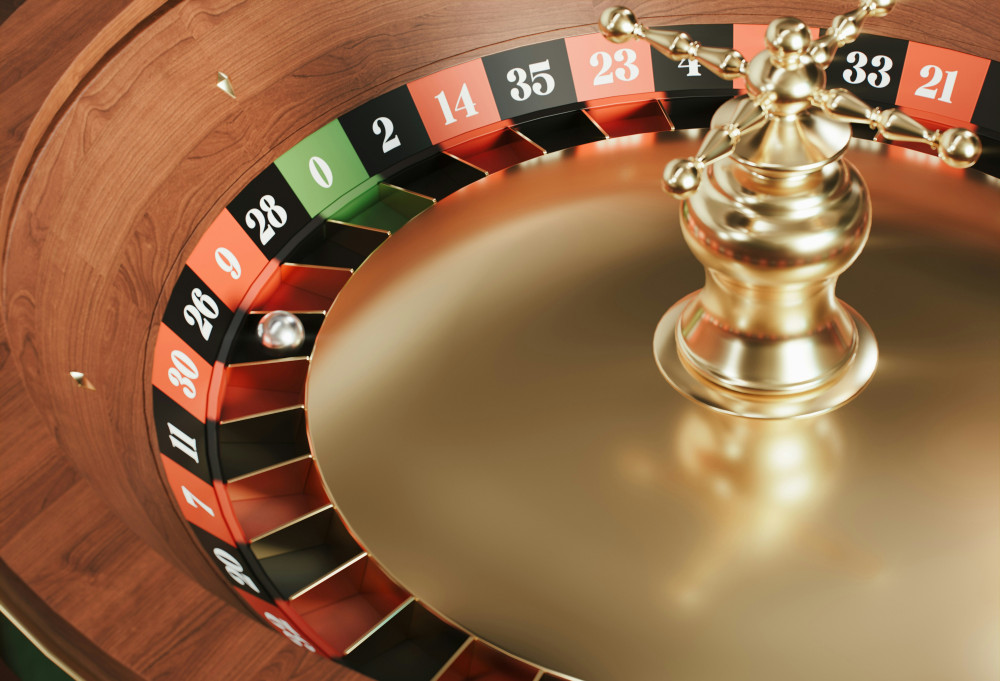
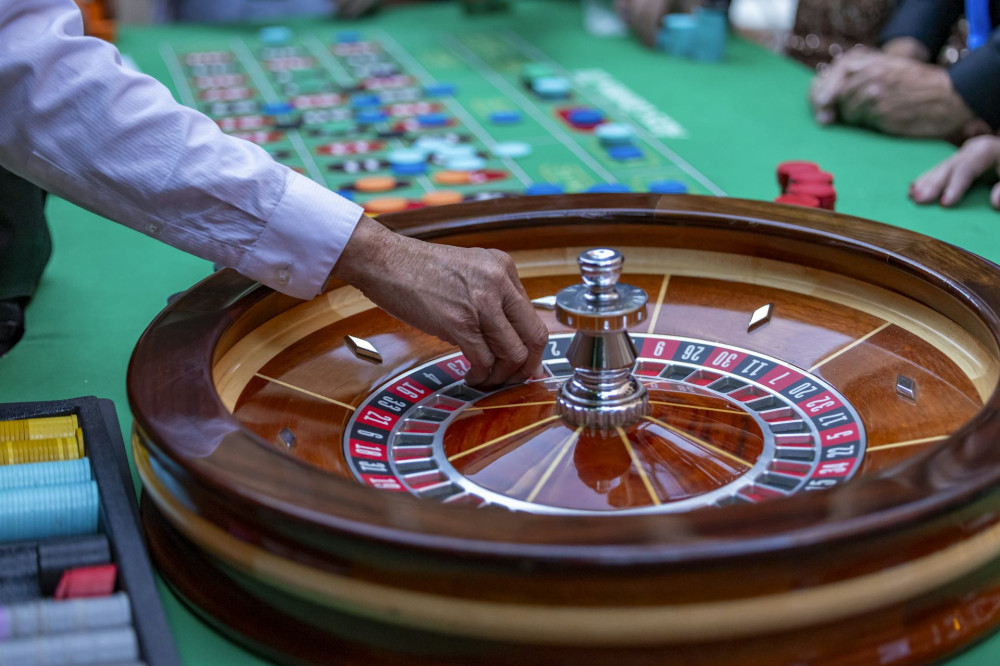
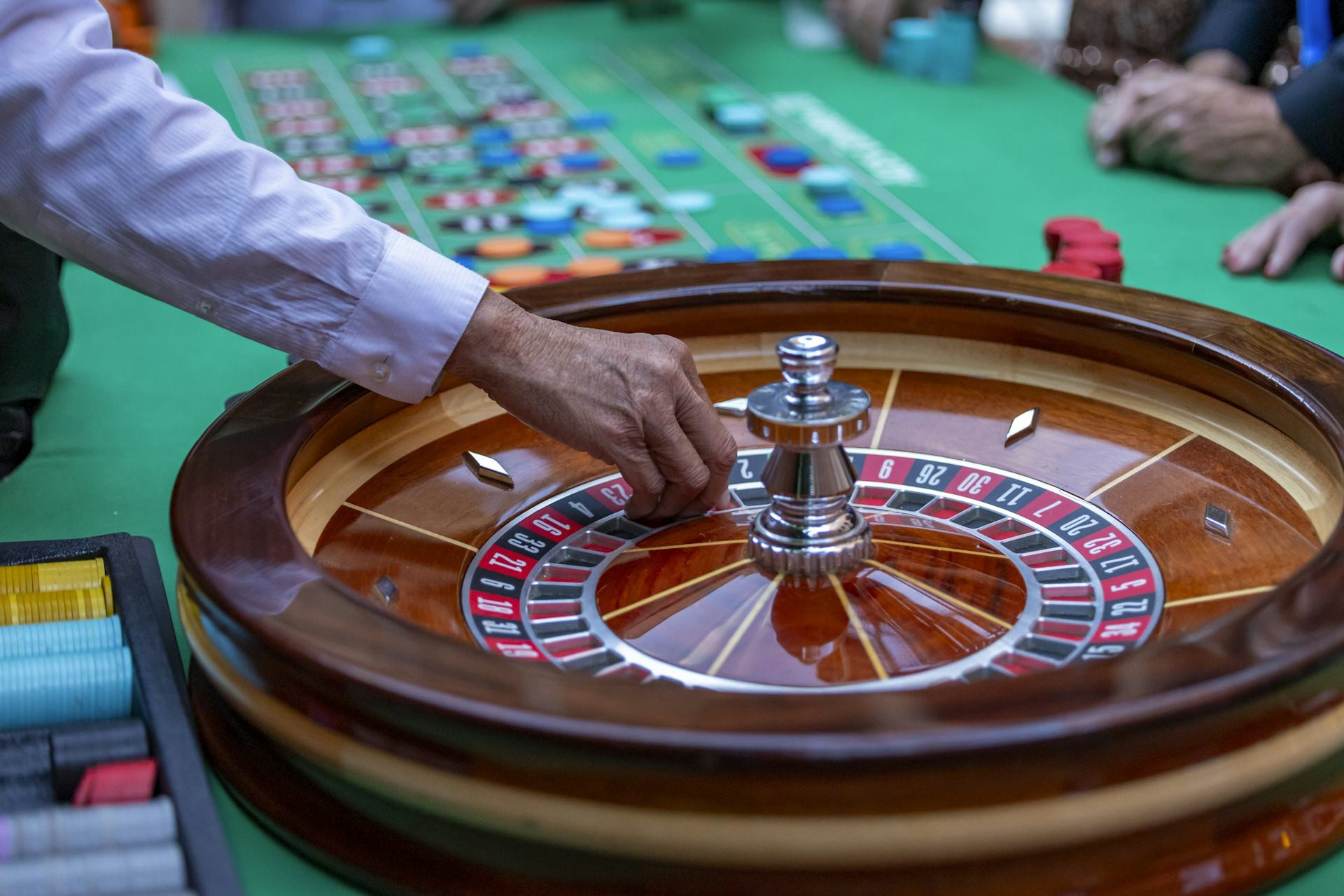
The roulette table is one of the most iconic symbols of casino life. The spinning wheel, the red and black pockets, and the rising tension as the ball slows down all create a unique sense of anticipation. But amid all this randomness, players often look for meaning. They start to notice patterns, coincidences, and signs—and that’s where superstition takes hold.
Some players swear by certain numbers that feel lucky to them: birthdays, anniversaries, or other personally significant dates. Others avoid specific numbers or colors because they once lost on them. It’s a classic example of how people seek control in situations where the outcome is beyond their influence.
The Most Common Rituals
Superstitions at the roulette table come in many forms—from subtle gestures to elaborate routines repeated before every spin.
- Lucky numbers and patterns: Many players always bet on the same numbers, no matter how the game is going. It gives them a sense of consistency and control.
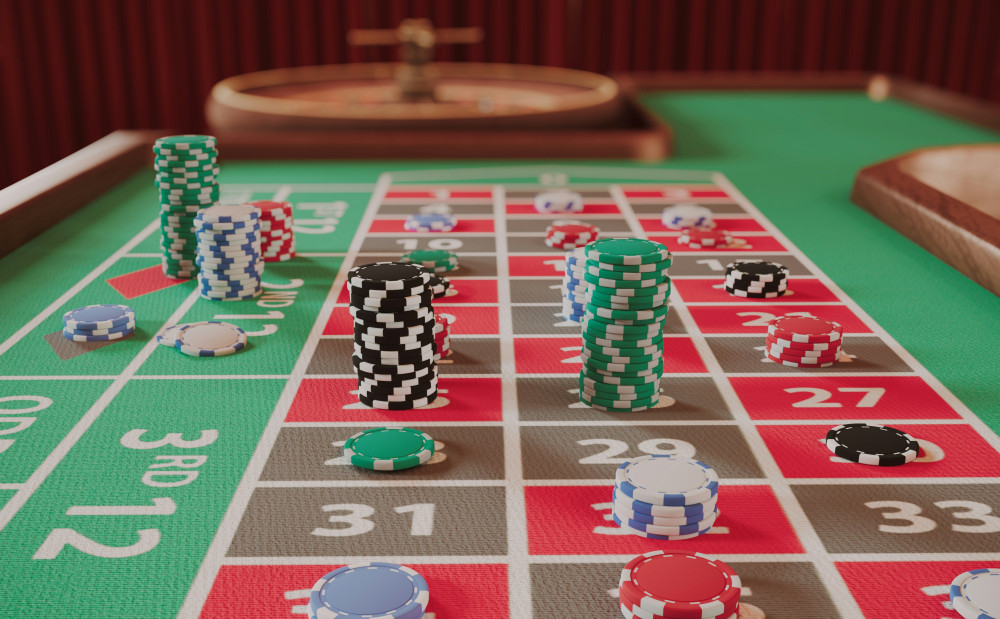
- Touching the table or chips: Some players tap the table before placing their bets or gently touch their chips for good luck.
- Charms and tokens: A lucky coin, a special piece of jewelry, or even a favorite item of clothing can serve as a personal good-luck charm.
- Avoiding certain actions: Some players refuse to cross their arms, blow on their chips, or speak while the ball is spinning—small rules meant to keep bad luck away.
While none of these rituals affect the mathematical odds of the game, they provide players with a sense of calm and focus. They create structure in a game ruled by chance.
Læs også:

The Psychology Behind Superstition
Research into gambling behavior shows that superstition often arises as a response to uncertainty. When we can’t control an outcome, we look for patterns and symbols that give us the illusion of influence. Psychologists call this “illusory control”—a mental mechanism that can reduce stress and increase confidence.
For many players, these rituals aren’t just about luck; they’re about maintaining mental balance. They help ease anxiety and keep concentration sharp. In that sense, superstition acts as a psychological support system, making the game more enjoyable and engaging.
From Casino Floors to Online Screens
Even in the digital age, where roulette is often played online, superstition is alive and well. Players may still have their own rituals—perhaps clicking the “spin” button at a specific time, playing only on certain days, or choosing virtual tables with colors or designs that “feel lucky.”
This shows that superstition isn’t tied to the physical casino environment but to a universal human desire to find meaning and control—even when sitting in front of a screen.
Part of the Experience
For most players, superstition isn’t a problem but part of the fun. It adds a personal touch to the experience and makes each spin a little more exciting. As long as players remember that roulette is ultimately a game of chance, these rituals can be a harmless and entertaining way to enhance the thrill.
Roulette isn’t just about winning—it’s about the atmosphere, the anticipation, and the small habits that make every game unique. The superstitions at the table aren’t just curiosities; they’re an essential part of the culture and fascination that keep players coming back for more.
Læs også: