House Edge Explained: How It Affects Your Odds of Winning

House Edge Explained: How It Affects Your Odds of Winning
Whenever you play at a casino—whether it’s roulette, blackjack, or slot machines—there’s one constant factor working quietly in the background: the house edge. It’s the built-in mathematical advantage that ensures the casino earns a small profit over time. But what does that really mean for your chances of winning? Let’s break it down in simple terms so you can understand how it works and how to make smarter choices when you play.
What Is the House Edge?
The house edge is a percentage that represents how much of every wager the casino expects to keep as profit in the long run. For example, if a game has a 2% house edge, the casino will, on average, make $2 for every $100 wagered—regardless of who wins or loses in any single round.
It’s important to note that the house edge doesn’t mean the games are rigged. It’s simply part of the game’s design and probability structure. Over thousands of plays, the math ensures the casino comes out ahead, even though individual players can and do win in the short term.
Example: Roulette as a Classic Illustration
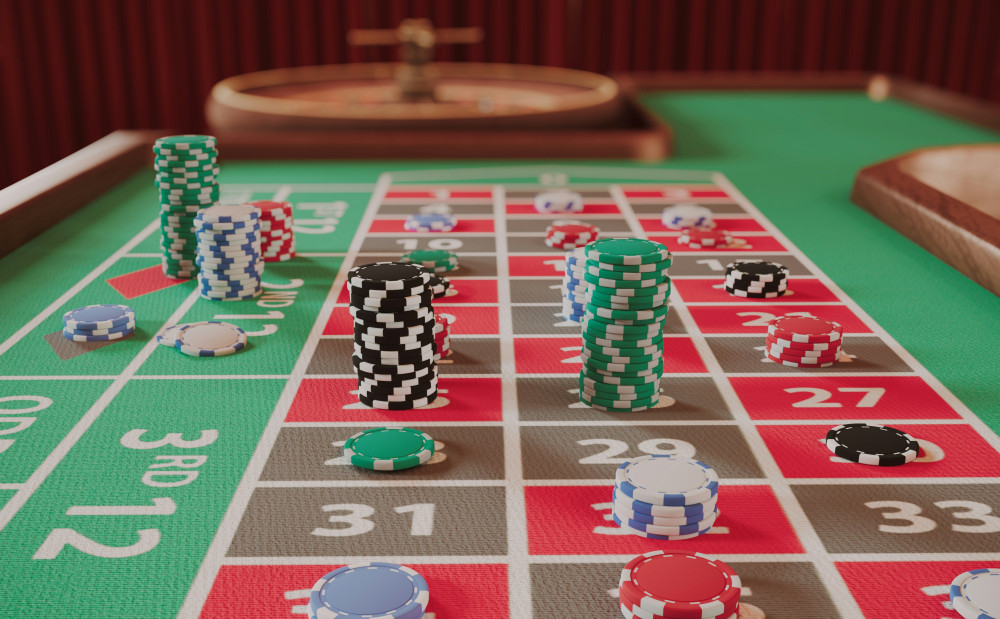
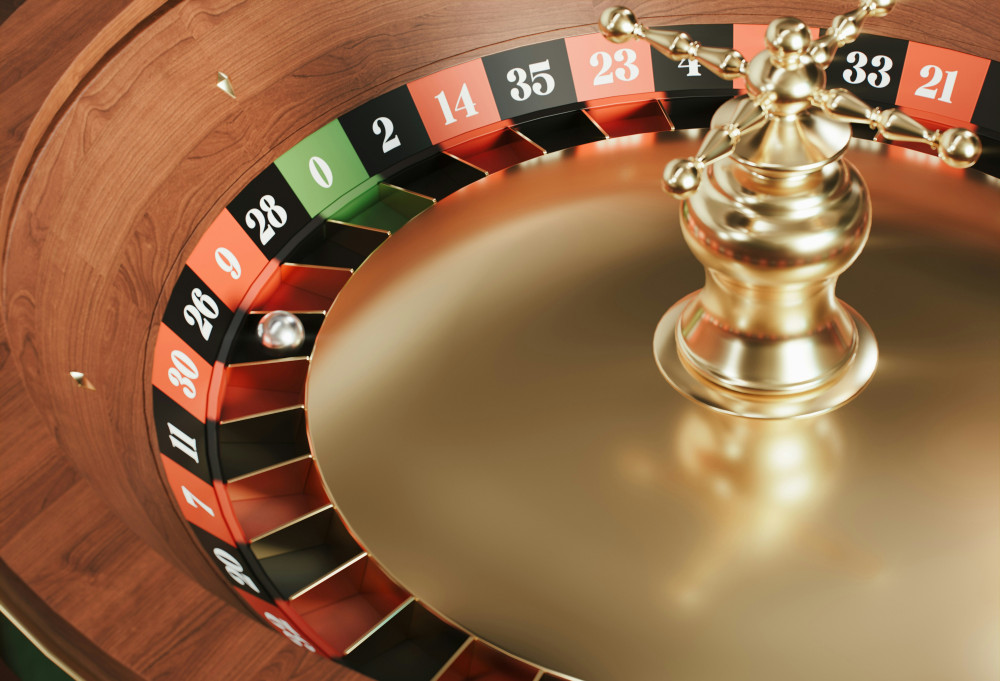
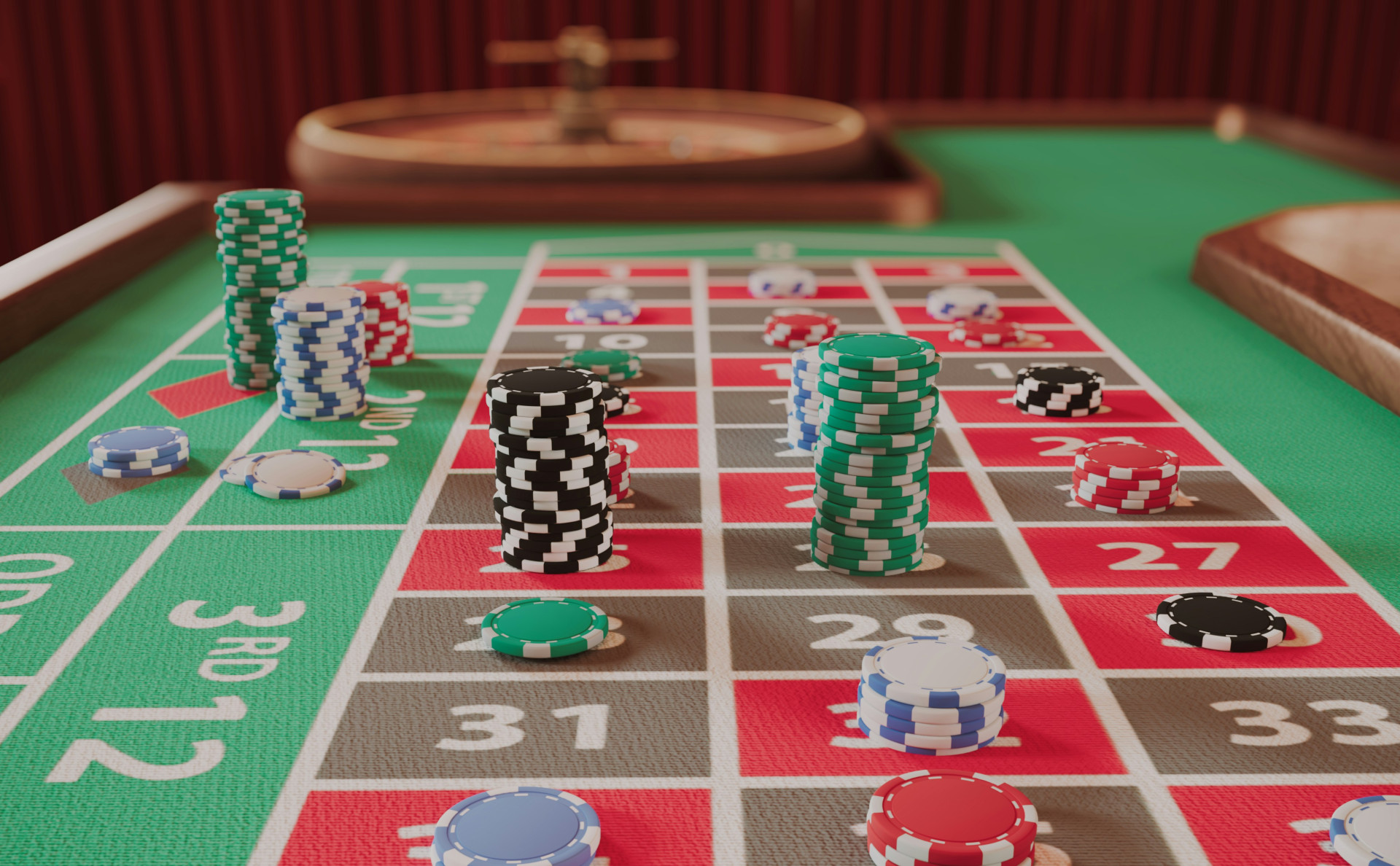
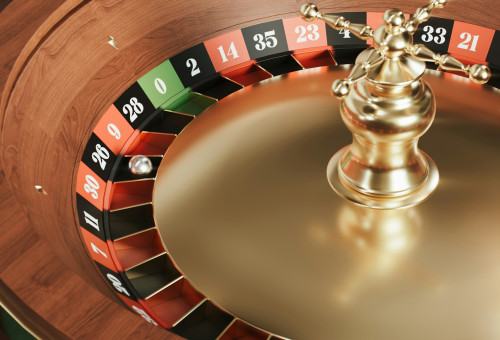
Roulette is one of the clearest examples of how the house edge works. In European roulette, there are 37 pockets (numbers 1–36 plus a single zero). If you bet on a single number, your chance of winning is 1 in 37. A perfectly fair payout would be 36 to 1, but casinos pay only 35 to 1. That small difference is the house edge.
In American roulette, there’s an extra double-zero pocket, making 38 in total. The payout is still 35 to 1, but your odds of winning are now 1 in 38. That extra pocket increases the house edge, which is why European roulette is generally considered more player-friendly.
Why Does the House Edge Exist?
Casinos are businesses, and the house edge is their business model. It ensures they can pay staff, maintain games, and still make a profit. Without it, casinos couldn’t operate.
For players, this means you’re always playing against a mathematical disadvantage. That doesn’t mean you can’t win—many players hit big jackpots—but over time, the odds always favor the house.
Different Games, Different Edges
Not all games are created equal. Some offer much better odds for players than others:
- Blackjack: With perfect strategy, the house edge can be as low as 0.5%. It’s one of the fairest games in the casino.
- European roulette: Around 2.7%.
- American roulette: About 5.26%.
- Craps: Certain bets have a house edge as low as 1% or less.
- Baccarat: Banker bets carry an edge of about 1.06%.
- Slot machines: Typically range from 3% to 10%, depending on the game and payout structure.
The lower the house edge, the better your short-term chances of winning—but the edge never disappears completely.
Can You Beat the House Edge?
In the long run, no. The house edge is built into the rules and probabilities of each game, so it can’t be overcome by strategy or luck. However, you can make choices that minimize its impact.
Some players use betting systems like the Martingale (doubling your bet after each loss), but these don’t change the underlying odds. They can create short-term wins but also increase the risk of large losses.
The smartest approach is to understand how the house edge works and use that knowledge to play responsibly.
How to Play Smarter
Even though you can’t eliminate the house edge, you can make it work in your favor by playing strategically:
- Choose games with a low house edge. Blackjack, baccarat, and European roulette are better options than American roulette or high-volatility slots.
- Learn the rules and basic strategy. The more you know, the fewer mistakes you’ll make—and that can reduce the house’s advantage.
- Set a budget and stick to it. Treat gambling as entertainment, not a way to make money.
- Take advantage of bonuses wisely. Online casinos often offer welcome bonuses, but always read the terms—wagering requirements can make them less valuable than they appear.
Læs også:


A Natural Part of the Game
The house edge isn’t a trap—it’s simply part of how casino games are designed. It allows casinos to stay in business and gives players a fair, predictable environment to enjoy. When you understand how it works, you can make informed decisions, manage your expectations, and have more fun at the tables or slots.
Knowing the house edge doesn’t mean you should avoid playing—it means you’ll play with open eyes and a smarter mindset.
Læs også: