Slots Across Countries: What Different Markets Prefer to Play


Slots Across Countries: What Different Markets Prefer to Play
Slot machines – or simply “slots” – are a global phenomenon. Even though online casinos have made them accessible almost everywhere, players’ preferences still vary widely from country to country. Culture, regulation, history, and technology all shape how each market evolves. Let’s take a closer look at how tastes differ around the world – and what that says about the people who play.
Tradition Meets Technology
In some countries, slots are rooted in a long tradition of land-based gaming, while in others, the market has grown primarily online. In the United Kingdom, for example, “fruit machines” have been a staple of pub culture for decades, and many players still enjoy their simple symbols and nostalgic charm. By contrast, in Sweden and Finland, online slots dominate, with players favoring modern, visually rich games inspired by Nordic mythology and folklore.
In Asia, where physical casinos have historically been limited, mobile and social casino apps have exploded in popularity. Here, the focus is often more on entertainment and community than on big wins. It’s a reminder that technology can shape gaming culture when physical venues aren’t part of everyday life.
The United States: Big Jackpots and Big Brands
The American market is famous for its love of spectacle. In Las Vegas and Atlantic City, progressive jackpot slots – where the prize grows with every spin – are the main attraction. U.S. players tend to gravitate toward games with high entertainment value, recognizable movie or TV themes, and clear, exciting bonus features.
Online, the same pattern holds true. Developers targeting the U.S. audience often collaborate with Hollywood studios or sports franchises, creating games that feel like an extension of pop culture. For many American players, it’s not just about winning money – it’s about being entertained, almost like starring in a movie of their own.
Europe: Diversity and Local Flavor
Europe is one of the most diverse gaming markets in the world. In Southern Europe – particularly Italy and Spain – classic fruit slots and simple mechanics remain popular, while Northern Europe has embraced more complex video slots. In Germany and the Netherlands, land-based machines have a strong tradition, but online gaming is growing rapidly as regulations evolve.
European players often value theme and design as much as gameplay. Slots with historical, cultural, or mythological motifs perform well because they connect with local identity. It’s no coincidence that many developers create region-specific versions of their games – a Viking theme for Scandinavia, a Roman one for Italy, or a fairy-tale setting for the U.K.
Asia and Oceania: Fast Play and Social Fun
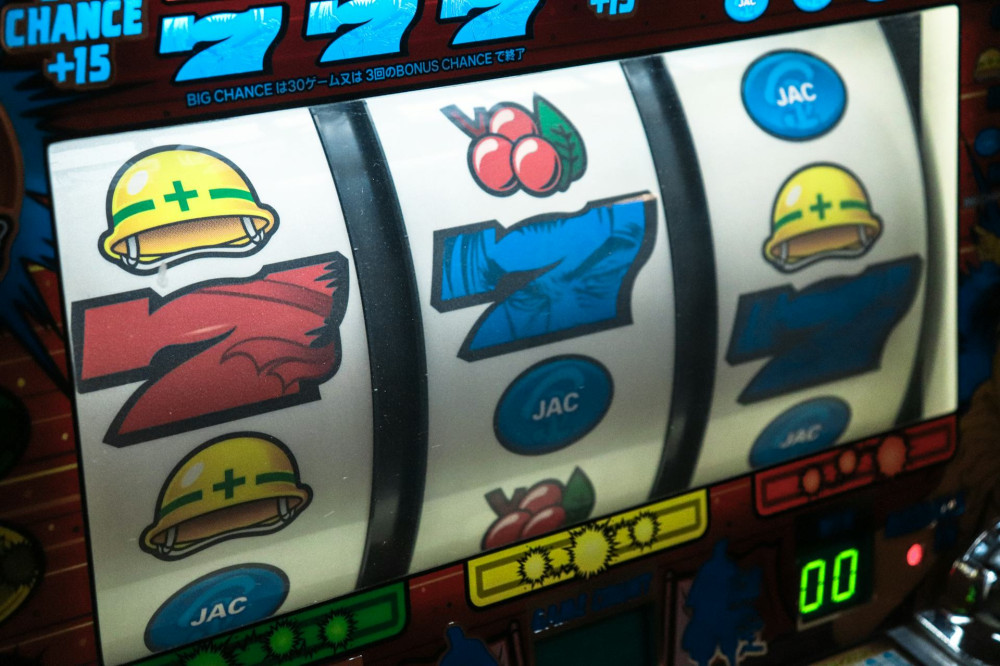
In Japan and South Korea, slot-style games are closely tied to arcade and mobile culture. The pace is fast, the visuals are colorful, and the experience is rhythmic and engaging. Japan’s pachinko machines – a cross between pinball and slots – remain hugely popular and have inspired many modern online games.
In Australia, where “pokies” are part of everyday life, the experience is often more relaxed. Many Australian players prefer lower stakes and longer play sessions over quick wins. The design philosophy reflects the country’s laid-back lifestyle: gaming as a calm, steady pastime rather than a high-adrenaline rush.
Læs også:




The Nordic Region: Responsibility and Quality
In Denmark, Norway, and Sweden, strict regulation has created a market focused on transparency and responsible gaming. Nordic players are tech-savvy and expect high-quality graphics, smooth gameplay, and fair mechanics. There’s also strong awareness of the social and ethical aspects of gambling – many players choose licensed operators and set personal limits.
Themes inspired by nature, mythology, and adventure are especially popular in the region. Games featuring Norse gods, icy landscapes, or epic sagas resonate deeply because they feel culturally familiar.
What the Future Holds
As the global gaming market continues to expand, national preferences are becoming more fluid. New generations of players are growing up on international platforms, exposed to games from all over the world. Still, local differences will remain important – shaped by culture, language, and regulation.
The future of slots will likely be more personalized than ever. With data analytics and artificial intelligence, developers can tailor themes, sound, and pacing to individual players. Yet one thing will never change: the universal thrill of chance, excitement, and the dream of hitting that life-changing jackpot.
Læs også: