Roulette in Rhythm: Learn to Master the Game’s Tempo

Roulette in Rhythm: Learn to Master the Game’s Tempo
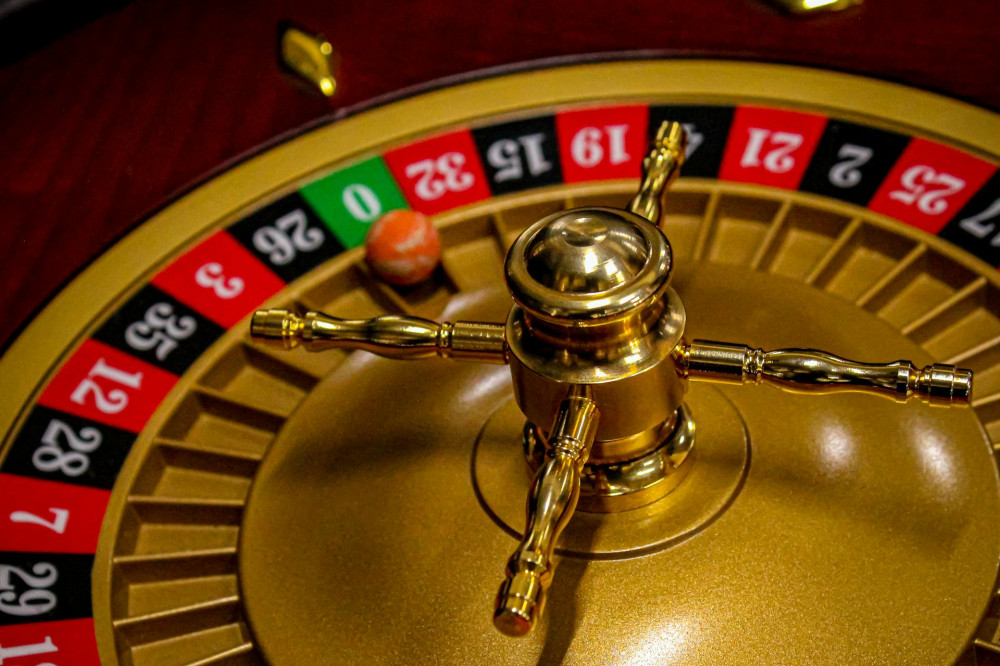
Roulette is one of the most iconic casino games—a blend of chance, excitement, and elegance that has captivated players for centuries. But beyond the spinning wheel and the thrill of the ball landing on your number, there’s another layer to the game: rhythm. Understanding the tempo of roulette—when to bet, when to pause, and how to stay in sync with the flow—can transform your experience from random play to mindful gaming. Here’s how to master the rhythm of roulette and make every spin count.
Understanding the Game’s Natural Flow
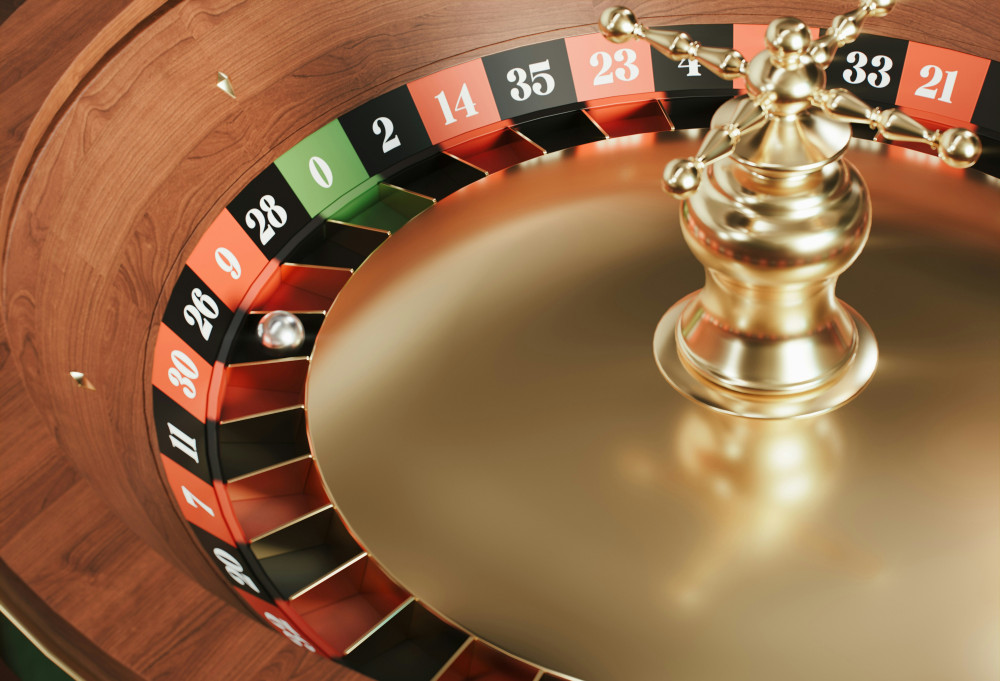
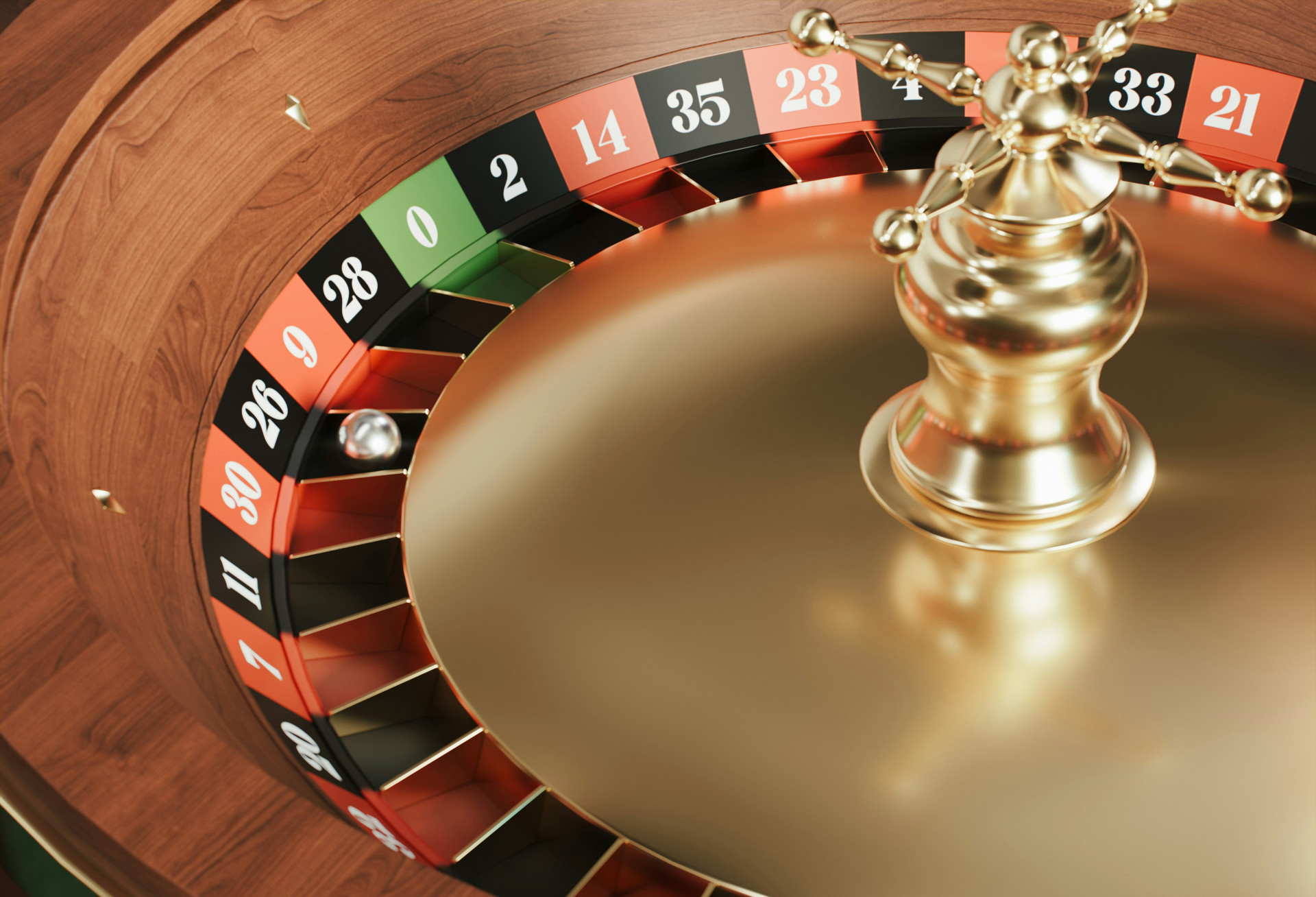
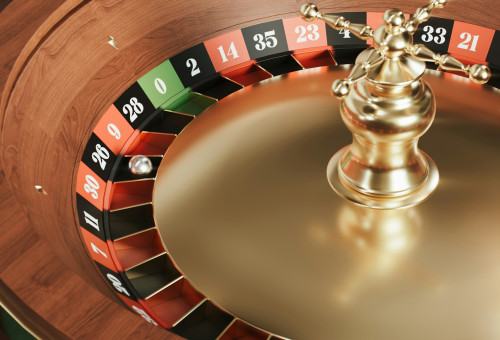
Every roulette table has its own pulse. Each round follows a familiar pattern: bets are placed, the dealer spins the wheel, the ball dances around, and finally, it lands on a number. This cycle repeats endlessly, but the tempo can vary depending on where and how you play.
- At a land-based casino, the pace is often slower. The dealer sets the rhythm, and there’s time to observe, chat, and soak in the atmosphere.
- Online roulette, on the other hand, moves faster. There are no breaks between players, and the action can feel more intense. You control the tempo—so it’s up to you to take breaks and manage your focus.
Recognizing this rhythm is the first step toward playing with awareness rather than impulse.
Finding Your Own Playing Cadence
Like music, roulette is all about timing. Some players thrive on a quick tempo, placing frequent small bets, while others prefer a slower, more deliberate approach. There’s no single right way to play—but finding the pace that suits you is key.
- Play at your own speed. Don’t let the energy of others push you into faster decisions.
- Take breaks. A short pause between spins can help you reset and avoid emotional betting.
- Set a bankroll rhythm. Decide in advance how many rounds you’ll play and how much you’ll wager per spin. This keeps your play structured and your budget intact.
When you find your personal cadence, the game becomes more controlled—and often more enjoyable.
Læs også:


Reading the Table’s Energy
At a physical casino, the mood at the table can shift in an instant—from quiet concentration to bursts of celebration. That energy can influence your play, for better or worse. Learn to sense the atmosphere and use it to enhance your experience without letting it dictate your choices.
- When the table is lively and fast-paced, resist the urge to chase the excitement with bigger bets.
- When the mood is calm and focused, take advantage of the slower tempo to observe patterns and plan your next move.
Online, you can’t feel the same social energy, but you can still create your own rhythm by controlling the pace and taking mindful pauses between spins.
Tempo and Strategy Go Hand in Hand
While roulette is ultimately a game of chance, tempo can influence how effectively you apply your strategy. Systems like Martingale or Fibonacci require patience and discipline. If you play too quickly, you risk losing track of your plan and making impulsive moves.
A useful rule of thumb: slow down when you’re losing, and speed up slightly when you’re winning—not to chase results, but to maintain focus and momentum. Tempo becomes a tool for managing your mindset as much as your money.
Balancing Excitement and Calm
Roulette’s magic lies in its contrast—the quiet anticipation before the spin and the rush of adrenaline as the ball bounces toward its final stop. To truly enjoy the game, you need to balance that excitement with composure.
Think of each round as a beat in a song: sometimes fast and thrilling, other times slow and reflective. When you learn to play in harmony with the game’s rhythm—rather than against it—you’ll find the experience more rewarding and more mindful.
Roulette as a Rhythmic Experience
Mastering the tempo of roulette isn’t just about winning. It’s about being present, feeling the flow, and enjoying the process. When you find your rhythm, roulette becomes more than a game of numbers—it becomes a dance between chance and control.
So next time you sit down at the wheel, listen to the game’s pulse. Let the ball spin, but don’t let it spin you out of balance. In roulette—as in life—it’s often the rhythm that makes all the difference.
Læs også: