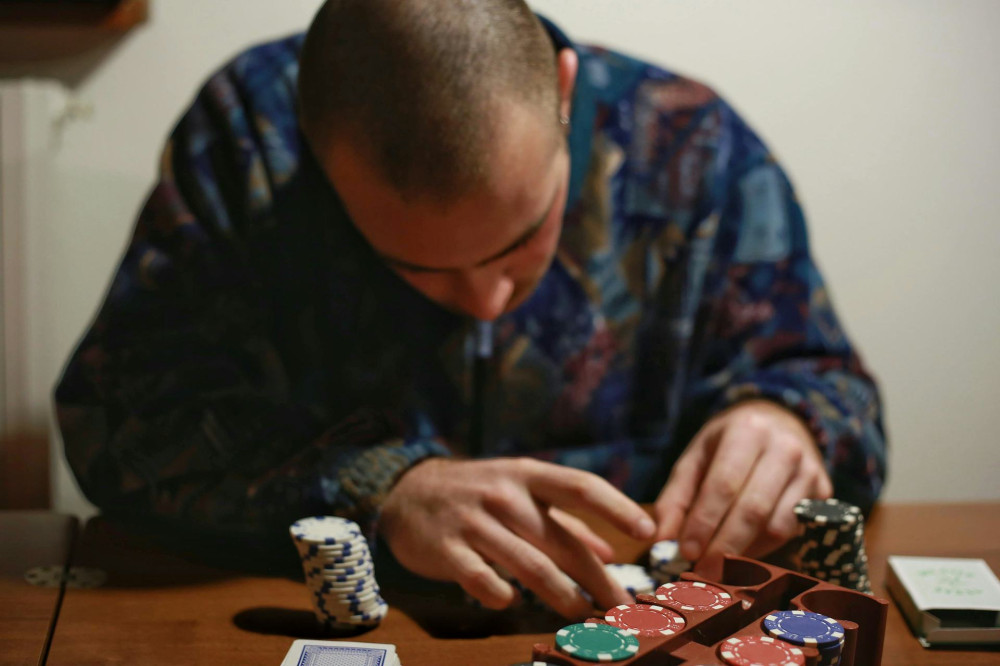
Reward and Excitement: How the Brain Responds When We Play

Discover what happens in your brain when play triggers pleasure, motivation, and excitement
Gambling addiction
Gambling addiction
6 min
From board games to video games, play lights up the brain’s reward system and fuels our drive for challenge and connection. Learn how dopamine, anticipation, and social interaction make games so engaging—and why balance is key to keeping play healthy.
Payton Fisher
Payton
Fisher

Reward and Excitement: How the Brain Responds When We Play

Discover what happens in your brain when play triggers pleasure, motivation, and excitement
Gambling addiction
Gambling addiction
6 min
From board games to video games, play lights up the brain’s reward system and fuels our drive for challenge and connection. Learn how dopamine, anticipation, and social interaction make games so engaging—and why balance is key to keeping play healthy.
Payton Fisher
Payton
Fisher

When we play—whether it’s a board game with friends, a video game, or a game of chance—something remarkable happens inside the brain. The thrill, anticipation, and sense of reward activate some of our most fundamental neural systems. These are the same mechanisms that drive us to seek food, love, and success. But what exactly happens in the brain when we play—and why can it be so hard to stop once we start?

Dopamine – The Brain’s Reward Signal

Whenever we experience something pleasurable, the brain releases dopamine—a neurotransmitter that plays a central role in our reward system. Dopamine motivates us and encourages us to repeat behaviors that lead to positive outcomes.

In gaming, every time we win, earn points, or move closer to a goal, a small wave of dopamine is released. It feels good, and the brain quickly learns that the game is a source of reward. Even the anticipation of a possible win can trigger dopamine release—whether or not we actually succeed. This unpredictability is part of what makes games so captivating.

Excitement and Uncertainty – A Powerful Mix

Humans are naturally drawn to excitement. When we play, we experience a controlled form of risk: we might win, but we might also lose. This uncertainty mildly activates the body’s stress system—our heart rate increases, and adrenaline flows.

For many, it’s this combination of excitement and reward that makes playing so intense and enjoyable. The brain reacts to the game’s outcomes as if they were real-life events, and the feeling of victory can produce a brief “high” similar to euphoria.

When the Game Takes Over

The same mechanisms that make games fun can also become problematic if they dominate too much of our behavior. As the brain gets used to dopamine-triggering experiences, it may start seeking them more often. This can lead to playing longer than intended or losing track of time and money.

Research in the U.S. and elsewhere shows that some people’s reward systems respond especially strongly to game-related stimuli—similar to what happens in other forms of addiction. That doesn’t mean everyone who plays becomes addicted, but it highlights how powerful the brain’s drive for reward can be.

Games as Social and Mental Stimulation

It’s important to remember that games aren’t just about risk and reward. For many Americans, games are a social activity that strengthens connection, strategy, and focus. The brain is stimulated on multiple levels—cognitively and emotionally.

When we play with others, the brain also releases oxytocin, a hormone that promotes trust and bonding. That’s one reason why playing games together can create joy and closeness when done in a healthy way.

Playing with Awareness

Understanding how the brain responds to games can help us play more mindfully. By recognizing how the reward system works, we can better sense when gaming energizes us—and when it starts to take up too much space in our lives.

A good approach is to set clear limits on time and money before starting and to take breaks along the way. That way, games can remain a source of entertainment and connection—without becoming a source of stress or dependency.

The Brain Loves Games – But Needs Balance

Games speak directly to some of the most fundamental parts of our brain. They offer excitement, challenge, and a sense of reward. But as with anything that feels good, balance is key.

When we play with awareness, games can be a healthy and stimulating part of everyday life—a way to relax, challenge ourselves, and share experiences with others. The brain responds—but we’re the ones who decide how we play.

Reward and Excitement: How the Brain Responds When We Play
Discover what happens in your brain when play triggers pleasure, motivation, and excitement
Gambling addiction
Gambling addiction
Neuroscience
Psychology
Gaming
Motivation
Wellbeing
6 min
From board games to video games, play lights up the brain’s reward system and fuels our drive for challenge and connection. Learn how dopamine, anticipation, and social interaction make games so engaging—and why balance is key to keeping play healthy.
Payton Fisher
Payton
Fisher
Play with Presence – Use Mindfulness to Gamble Responsibly and Stay in Control
Stay mindful, enjoy the game, and keep your gambling experience healthy and in balance
Gambling addiction
Gambling addiction
Mindfulness
Responsible Gambling
Mental Health
Self-Control
Wellbeing
7 min
Discover how mindfulness can help you stay aware, calm, and in control while gambling. Learn simple techniques to enjoy the thrill responsibly, set healthy limits, and make every play a conscious choice.
Elias Carter
Elias
Carter
Digital Tools to Help You Keep Track of Your Gaming Limits
Stay in control of your gaming habits with smart digital solutions
Gambling addiction
Gambling addiction
Responsible Gaming
Digital Tools
Online Gaming
Budgeting Apps
Self-Control
6 min
Discover how apps, platform tools, and online resources can help you manage your gaming time and spending. Learn how technology can support responsible play and make your gaming experience more balanced and enjoyable.
Abigail Green
Abigail
Green
Healthy Gaming Habits for the Long Run: Small Steps That Make a Big Difference
Find balance and enjoyment in gaming without letting it take over your life
Gambling addiction
Gambling addiction
Gaming
Health
Balance
Lifestyle
Wellbeing
7 min
Discover how small, mindful changes can help you maintain a healthy relationship with gaming. Learn to set limits, take breaks, and keep playtime positive so that gaming stays fun and fulfilling for the long run.
Logan Richards
Logan
Richards
How Legislation Fights Money Laundering and Financial Crime in the Gaming Industry
How laws and regulators protect the gaming industry from criminal activity
iGaming
iGaming
Gaming Industry
Money Laundering
Financial Crime
Compliance
Regulation
4 min
The gaming industry handles billions of dollars every year, making it a prime target for money laundering and financial crime. This article explores how U.S. legislation, compliance measures, and international cooperation work together to safeguard the integrity of gaming and maintain public trust.
Journey Torres
Journey
Torres
Wagering Requirements Explained: Why They Exist and How They Affect You
Understand the fine print behind casino bonuses and make smarter gaming choices
iGaming
iGaming
Online Casino
Casino Bonuses
Wagering Requirements
Responsible Gaming
Gambling Guide
5 min
Wagering requirements can turn a generous casino bonus into a real challenge. Learn what they mean, why casinos use them, and how they influence your chances of cashing out. This guide helps you navigate bonus terms with confidence and play responsibly.
Payton Fisher
Payton
Fisher
From Card Games to Strategy: How to Apply the Principles to Other Games
Discover how the tactics behind classic card games can enhance your strategic thinking in any game
iGaming
iGaming
Card Games
Strategy
Game Theory
Decision Making
Psychology
5 min
From reading your opponent to mastering patience and risk, the lessons learned at the card table go far beyond the deck. Explore how the principles of card play can improve your approach to board games, video games, and real-life decision-making.
Elias Carter
Elias
Carter