Poker’s Journey Through History: From Saloons to Online Tables

Poker’s Journey Through History: From Saloons to Online Tables
Poker stands today as one of the world’s most beloved card games—a blend of strategy, psychology, and luck that has captivated players for generations. But the road from smoky saloons in the Old West to sleek online platforms with millions of players has been long and fascinating. The story of poker mirrors America’s own evolution—shaped by innovation, risk-taking, and the pursuit of opportunity.
From the Mississippi to the Wild West
The earliest forms of poker can be traced back to the early 19th century along the Mississippi River. Riverboats carried merchants, soldiers, and travelers who passed the time with card games. Poker gradually evolved from older games such as the French poque and the Persian as nas, taking on its own distinctly American character.
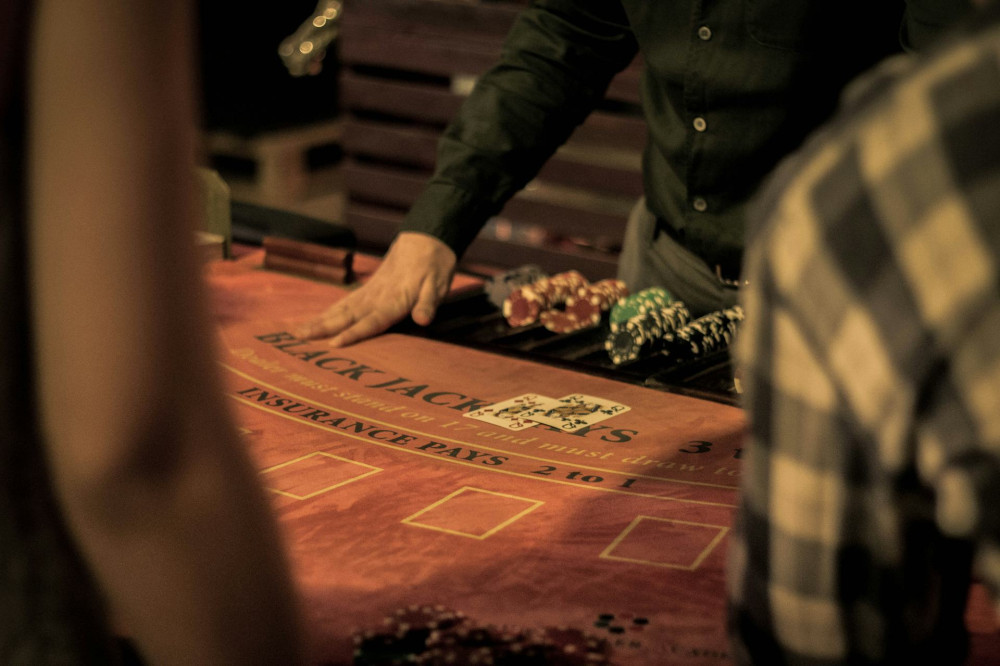
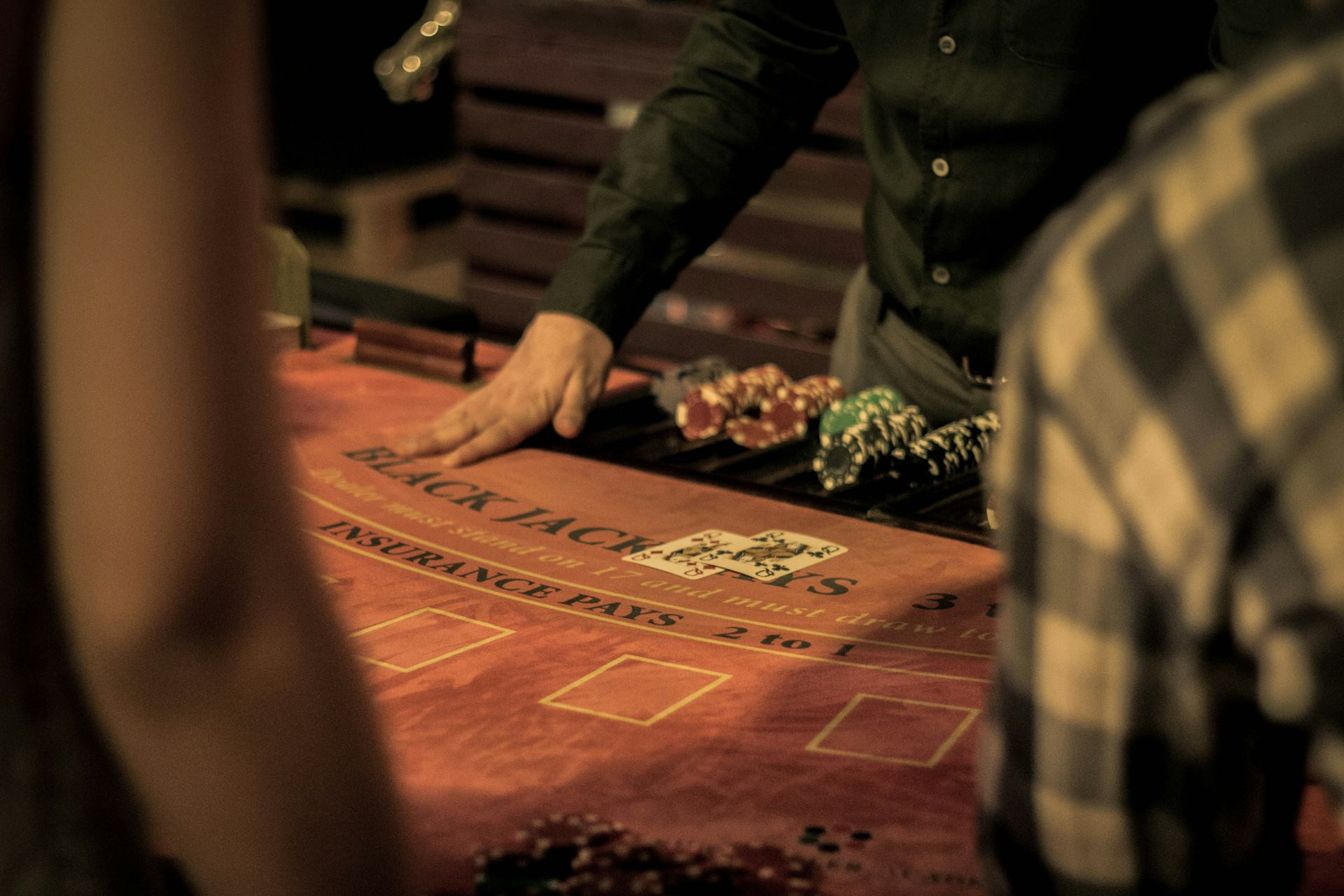
As settlers moved westward, poker followed. In saloons from New Orleans to St. Louis and later Dodge City, the game became a staple of frontier entertainment. It was a game of nerve and deception, where a steady hand and a convincing bluff could mean the difference between fortune and ruin. Poker became part of the mythology of the Wild West—alongside whiskey, revolvers, and the spirit of adventure.
Læs også:




From Gambling Pastime to Respected Game
For much of the 19th century, poker was seen as a gambler’s pastime, often associated with outlaws and hustlers. But as the game spread, it began to gain legitimacy. By the early 20th century, standardized rules emerged, and new variants like Texas Hold’em and Seven Card Stud took shape.
After World War II, poker became a fixture of American popular culture. It appeared in Hollywood films, in casinos, and around kitchen tables. The game came to symbolize intelligence, courage, and the thrill of calculated risk—a mental contest where reading your opponent could be as important as the cards you held.
The Rise of the World Series of Poker
A turning point came in 1970 with the first World Series of Poker (WSOP) in Las Vegas. The event brought together some of the best players of the time and transformed poker into a competitive sport. Media coverage helped turn players like Doyle Brunson, Johnny Moss, and later Phil Hellmuth into household names.
Through the 1980s and 1990s, poker’s popularity continued to grow. Casinos across the country added poker rooms, and the game began to be studied seriously as a blend of mathematics, psychology, and discipline rather than mere chance. Poker was no longer just a gamble—it was a skill.
The Digital Revolution: The Online Poker Boom
The late 1990s and early 2000s brought a revolution. With the rise of the internet, poker moved online, allowing anyone with a computer and an internet connection to join a table at any hour. Suddenly, geography no longer mattered—players from across the globe could compete in real time.
The true explosion came in 2003, when Chris Moneymaker, an amateur who qualified through an online satellite tournament, won the WSOP Main Event. His victory proved that anyone could rise from their living room to poker stardom. The “Moneymaker Effect” sparked a global poker boom, drawing millions of new players to online platforms and live tournaments alike.
Streaming, Esports, and the Modern Poker Culture
Today, poker is more accessible than ever. Live-streaming platforms, mobile apps, and social media have made it possible to watch tournaments, learn strategies, and follow professional players in real time. Poker has even found a place within the broader esports culture, where analytical thinking, emotional control, and endurance are celebrated.
At the same time, regulation and responsible gaming have become central topics. Many U.S. states have introduced licensing systems to ensure fair play and protect players, helping poker maintain its reputation as a legitimate and respected form of entertainment.
From Card Game to Cultural Icon
Poker’s journey through history is the story of adaptation and resilience. From riverboats and frontier saloons to Las Vegas casinos and digital tables, the game has evolved with each new era while keeping its essence intact—the thrill of reading an opponent, taking a risk, and keeping a straight face when the stakes are high.
Today, poker is more than just a game. It’s a cultural phenomenon, a meeting point between tradition and technology, and a reflection of the timeless human desire to think, bluff, and win.
Læs også: